AI Augments Judicial Reasoning But Cannot Replace Judicial Conscience, Says CJI Surya Kant
On Wednesday, Chief Justice of India (CJI) Surya Kant emphasized that while artificial intelligence (AI) can enhance judicial reasoning, it cannot replace the essential component of 'judicial…
By Bharat News Grid Desk
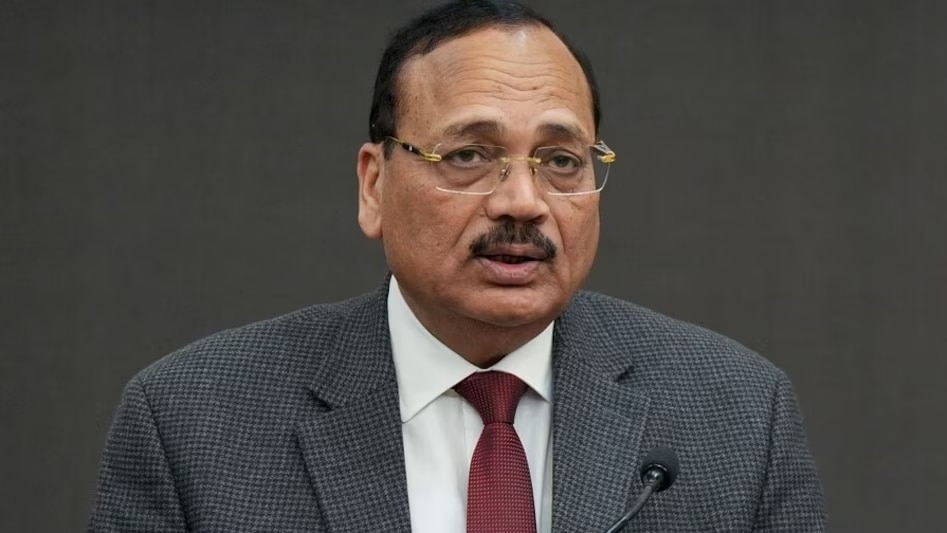
On Wednesday, Chief Justice of India (CJI) Surya Kant emphasized that while artificial intelligence (AI) can enhance judicial reasoning, it cannot replace the essential component of 'judicial conscience.' During a bilateral meeting with Ulrich Herrmann, presiding judge of the Federal Court of Justice in Karlsruhe, Germany, CJI Kant discussed the Indian judiciary's use of AI for support functions like legal research and providing citizens with an interface to access case information. The Indian judiciary employs AI for reducing repetitive work and improving access to justice but does not determine outcomes. The Supreme Court has prepared draft regulations that allow administrative uses of AI, prohibiting its application in assessing witness credibility or bail eligibility. CJI Kant proposed a permanent apex body to oversee AI adoption and ensure accountability. Recognizing the shared responsibility to preserve judicial independence and public confidence, he emphasized technology's role in supporting careful adjudication and human judgment. CJI Kant also highlighted initiatives like institutional mediation centres, Lok Adalats, and digital Lok Adalats for making dispute settlement accessible. He suggested greater cooperation with Germany on cross-border commercial mediation, mediated settlement recognition, and joint training for mediators handling India-Germany disputes. The meeting's discussions aimed to convert into a workable program through an MoU or other arrangements, focusing on technology and AI in court administration, cross-border mediation, dispute resolution, commercial and business law, and digitalization of judicial processes. CJI Kant noted that India does not have a separate constitutional court; the Supreme Court serves as the final appellate court and the country's highest constitutional court with original jurisdiction under Article 32 to enforce fundamental rights. The Indian approach to judicial technology prioritizes accessibility, transparency, and responsiveness in justice delivery. The meeting acknowledged that judicial decisions must remain with judges and legally authorized judicial officers, regardless of the level of digital transformation. CJI Kant also emphasized mediation as an essential alternative dispute resolution mechanism, having been a key priority since assuming office as Chief Justice of India.
Filed underTech
More stories
Tech
Scientists Use Grand Theft Auto V's Los Santos to Simulate Future Flooding Scenarios
Tech
Transform Images into GTA 6-style Posters Using AI Prompts
Tech
Indian Executive Jay Puri Implicated in Nvidia-China Chip Sales Scandal
Tech
Chhattisgarh Tests AI Surveillance to Combat Poaching and Encroachment in Udanti-Sitanadi Tiger Reserve
Tech
CAG Unveils AI Tools for Audits, Set to Launch Nationwide
Tech