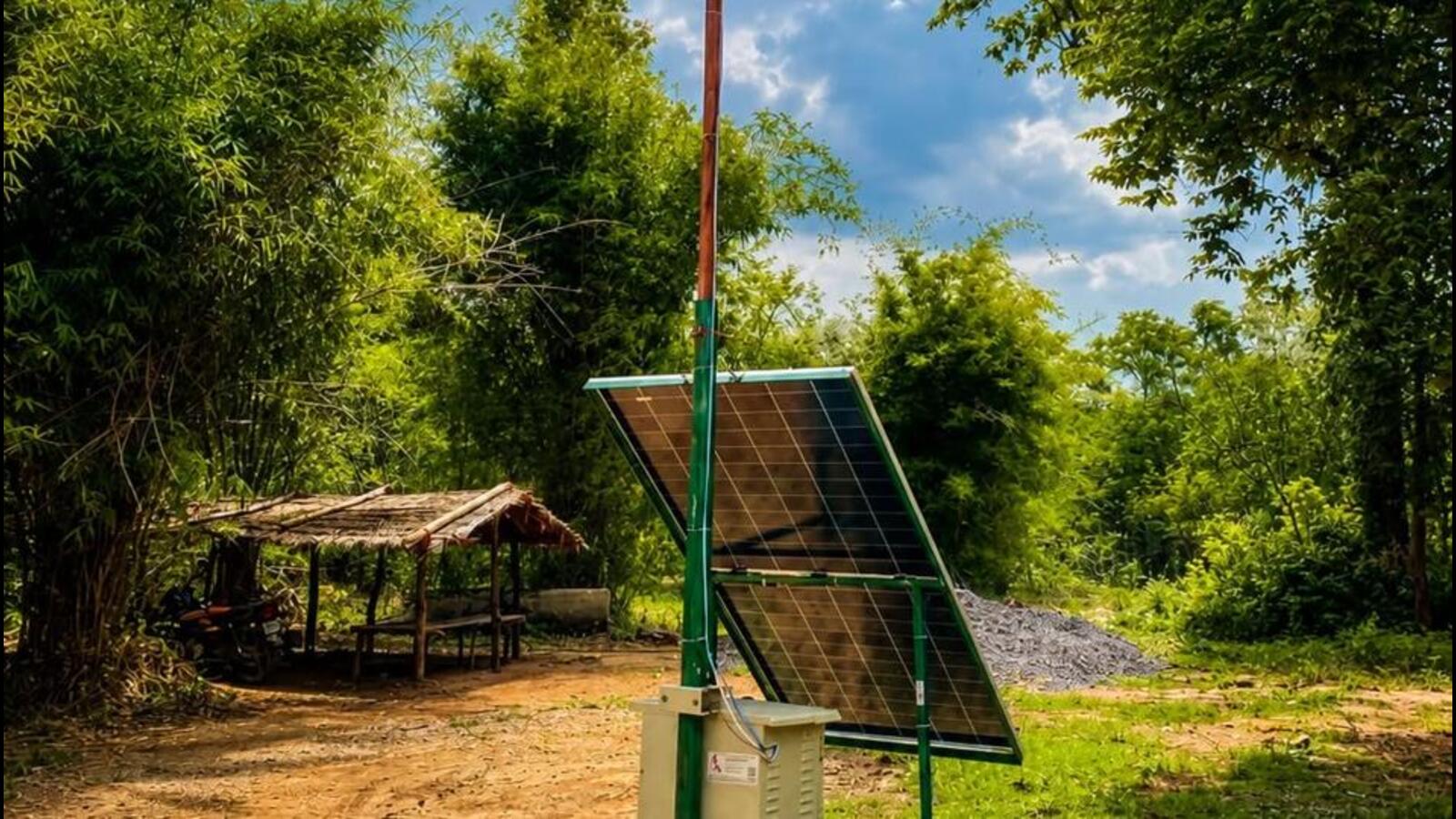
In a bid to strengthen conservation efforts, an artificial intelligence (AI)-based surveillance system is being piloted in the Udanti-Sitanadi Tiger Reserve, Chhattisgarh. The system, installed on towers standing 70-80 feet high, aims to monitor wildlife movement and detect poachers, timber smugglers, and encroachers. The AI cameras connected to a dedicated wireless network will send instant WhatsApp alerts to forest officials upon detection of any animal or suspicious human activity. The project is being implemented in five forest ranges along the Odisha border, where dense forests and rugged terrain serve as important wildlife corridors but are also prone to narcotics trafficking, illegal wildlife trade, timber smuggling, and encroachment.
The AI-based surveillance units, estimated to cost between INR 2.5 lakh and INR 3 lakh each, will be portable and can be relocated as needed. The system is expected to help overcome the shortage of frontline forest personnel by strengthening surveillance and reducing gaps between patrols in sensitive locations, thereby preventing human-wildlife conflict. Additionally, it will support ongoing efforts against wildlife crimes.
The Udanti-Sitanadi Tiger Reserve has already made significant strides in reclaiming forest land from encroachment and arresting over 500 people allegedly involved in smuggling and poaching over the past four years. The reserve is also home to numerous species such as Malabar pied hornbills, Indian giant squirrels, Indian flying squirrels, Indian paradise flycatchers, peregrine falcons, otters, tricarinate hill turtles, besides tigers and elephants. The reserve continues to employ thermal drones for anti-poaching operations, wildlife and habitat monitoring, forest fire management, and detection of encroachments. Moreover, satellite imagery and geospatial analysis using Google Earth Engine are being used to track changes in forest cover and assess habitat restoration work.
The implementation of this AI-based surveillance system is part of increased conservation activity in previously inaccessible forest areas due to Maoist presence. Joint operations by the Central Reserve Police Force (CRPF) and other security agencies have improved access, highlighting the need for strengthened surveillance against poaching, timber smuggling, and encroachment.