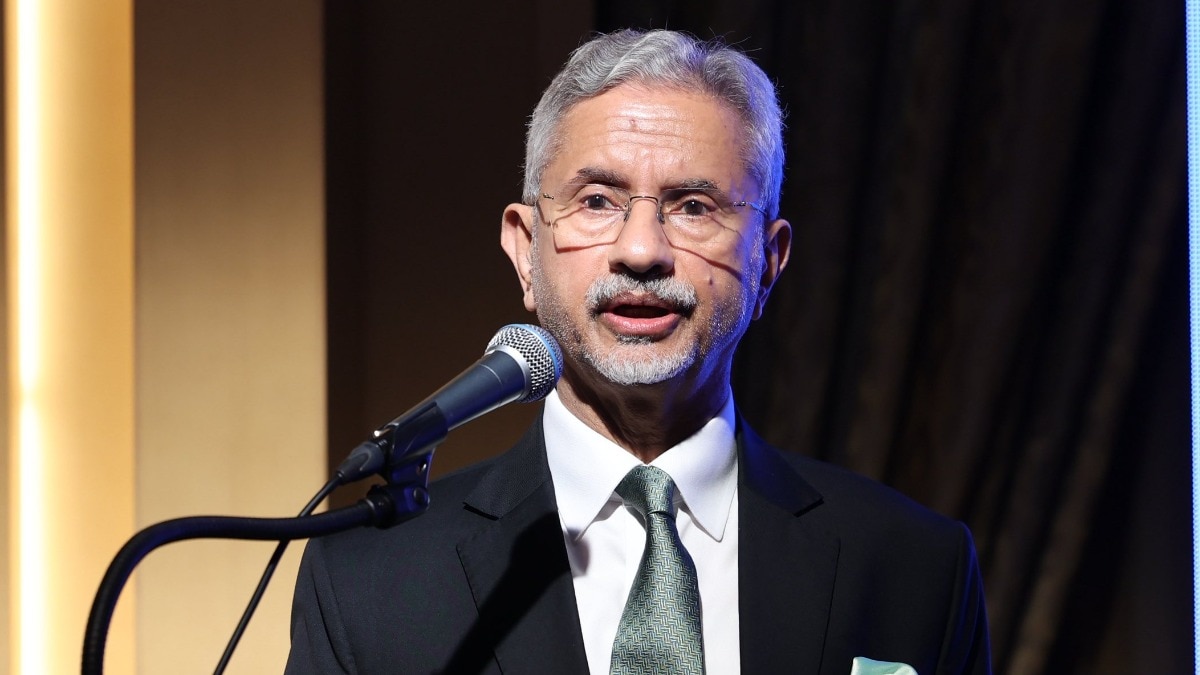
In a significant address at the inaugural event of Raisina Tokyo 2026 in Japan, External Affairs Minister S Jaishankar identified five forces that are reshaping the global order. The minister warned that weaponization, economic chokepoints, and strategic competition are no longer temporary disruptions but enduring features of the emerging world order.
The first force identified by Jaishankar is repeated shocks to the international system. He argued that successive crises such as the Covid-19 pandemic, major international conflicts, trade disruptions, and economic volatility have fundamentally altered how countries approach their international relationships.
The second force outlined by Jaishankar is the weaponization of economic dependencies. Countries are increasingly using their control over resources, energy, technology, financial systems, and market access to pursue strategic objectives. He also highlighted the growing importance of chokepoints and gateways, both physical and virtual, as sources of geopolitical pressure.
The third force is greater risk-taking. Jaishankar said an increasingly competitive mindset is influencing international behavior, with countries becoming more willing to take risks and convert their advantages into tangible outcomes.
The fourth force is de-risking and diversification. As geopolitical and economic vulnerabilities grow, major economies are reconsidering their dependence on concentrated supply chains and single sources of critical goods. Reliability and multiple sourcing options are increasingly taking precedence over cost and efficiency.
The fifth force is trusted partnerships. Governments and businesses are placing greater value on reliable partners and shorter supply chains in an uncertain world. Jaishankar also cautioned against countries exploiting international rules to disadvantage those that follow them, arguing that partnerships based on trust are becoming essential to protecting national interests.
Jaishankar emphasized that these five developments are particularly visible in the Indo-Pacific, making closer cooperation between India and Japan increasingly important. Both countries support the idea of a free and open Indo-Pacific and need to protect their national interests while promoting regional stability, economic growth, and freedom of choice. The minister said this could be achieved by strengthening the capabilities of regional partners and building more dependable economic and strategic relationships.
The changing international environment has created a stronger strategic reason for India and Japan to work together, according to Jaishankar. He identified three factors that could give bilateral ties fresh momentum: the changing global strategic environment, political leadership under Prime Minister Narendra Modi and Japanese Prime Minister Sanae Takaichi, and a better understanding of the economic opportunities presented by closer cooperation between the two countries.