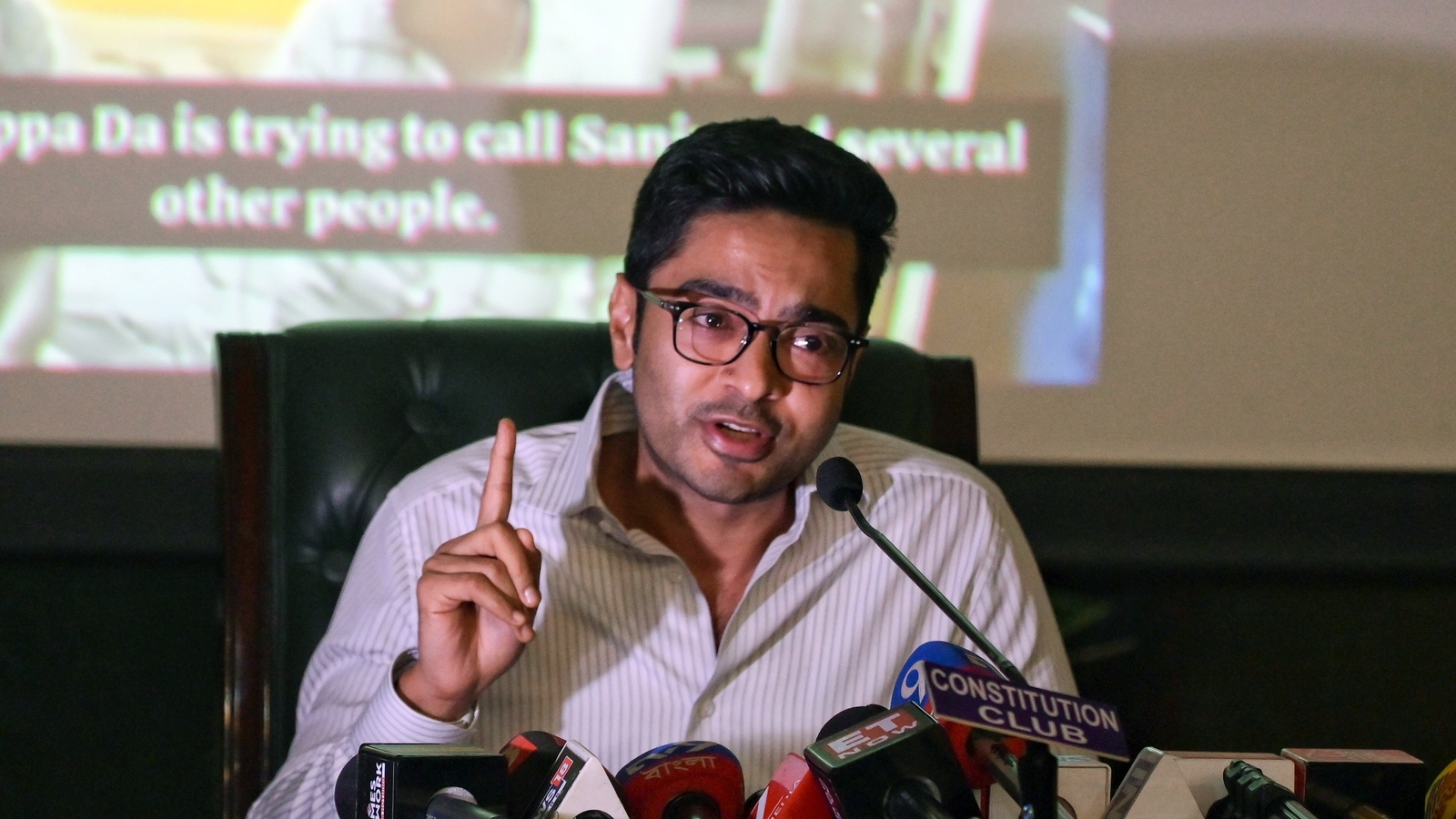
All India Trinamool Congress (AITC) MP Abhishek Banerjee has addressed a letter to the Lok Sabha Speaker, Om Birla, urging him not to allow 20 rebel TMC MPs, who have aligned with the National Democratic Alliance following their merger with the Nationalist Citizens Party of India (NCPI), to vote during upcoming parliamentary sessions. The letter also requests a review of the separate seating allotted in the House for these rebels, as their disqualification proceedings remain pending.
The rift within the AITC surfaced post the party's defeat in West Bengal Assembly elections earlier this year. On June 14, 20 of the party's 28 Lok Sabha MPs announced a merger with the NCPI and joined the National Democratic Alliance. These rebels, being more than two-thirds of the party's Lok Sabha strength, could potentially trigger disqualification under Paragraph 4 of the anti-defection law.
In his letter on Saturday, Banerjee contends that the 20 legislators, who were elected on a TMC ticket, were given separate seats in the House despite pending petitions seeking their disqualification. He asserts that these members should not be allowed to vote during the Special Session since their disqualification proceedings are still ongoing and no final determination has been made.
The letter's implications are significant, considering these 20 MPs' votes could influence the passage of the delimitation-linked 131st Amendment Bill. The government previously failed to pass this bill in April, but a revised bill is set to be introduced on Monday. With the House at 540 members, the government needs 360 votes if all members vote.
There has been no immediate response from the rebel camp regarding Banerjee's letter. Earlier, NCPI leader Kakoli Ghosh Dastidar stated that "Members have every right to vote, but whether their votes would count with the old party or the new one will be decided by the Speaker."
Banerjee supports his argument by citing Explanation (a) to Paragraph 2(1) of the Tenth Schedule, stating that an elected member is deemed to belong to the party that nominated them. He maintains that the two-thirds requirement in Paragraph 4(2) cannot be treated as a standalone provision allowing a legislature party to merge itself with another party. Banerjee concludes by emphasizing that the AITC, as the original political party, has not merged with the NCPI.