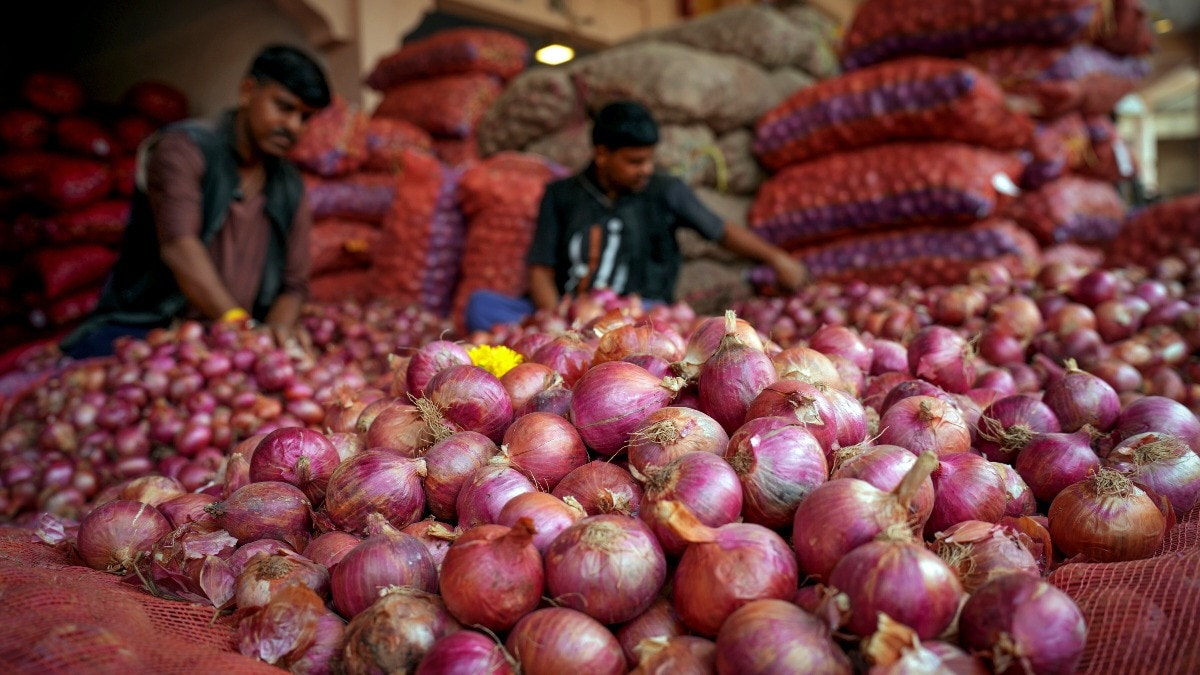
In a bid to safeguard their interests amid concerns over surplus production, onion farmers in the Indian state of Maharashtra have requested the implementation of measures to ensure a minimum selling price of Rs 3,000 per quintal. The Maharashtra State Onion Producers' Farmers Organisation has also advocated for wider export markets and a consistent export policy to prevent price crashes when supplies increase.
According to the organization's founder-president, Bharat Dighole, India is likely to have sufficient onions for both domestic consumption and exports in the upcoming year. In light of this, he has urged the central government to adopt a consistent long-term onion export policy and develop new international markets to secure fair prices for farmers.
Dighole emphasized that relying solely on the domestic market for onion sales may not be sufficient, especially when excess supply puts pressure on prices. He cited the Union agriculture ministry's third advance estimates released on November 17, which predicted a decline in onion production by 6.08% from the previous year. However, Dighole also noted that favorable weather, water availability, improved farming practices, and higher yield per acre could sustain production despite a reduction in the area under cultivation.
The farmers' organization has proposed improvements to infrastructure for onion exports, including pack houses, grading and quality-control facilities, logistics, cold-chain facilities, and processing units. They have also called for incentives for value-added products such as onion powder, flakes, and dehydrated onions. Additionally, they have requested transparent data on onion production, consumption, and stocks, improved storage facilities to reduce post-harvest losses, and regular coordination among farmers, exporters, and the government. Dighole emphasized the need for the government to balance consumers' demand for affordable onions with farmers' need for fair returns.
The organization believes that stable export rules, new overseas markets, improved infrastructure, and better coordination are essential to prevent price crashes and help onion growers receive at least Rs 3,000 per quintal. - Ends