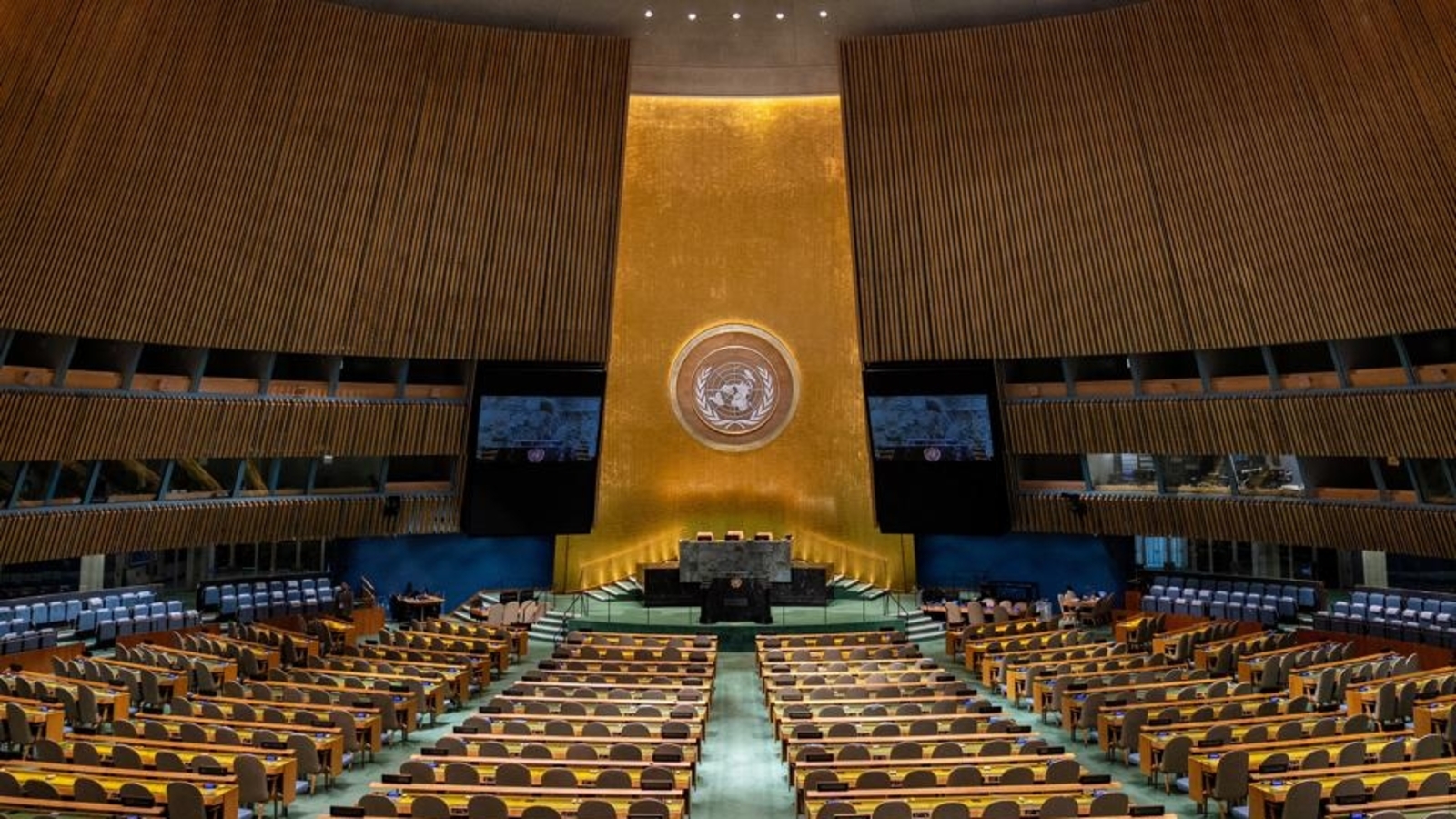
India has lodged strong objections against Turkey's decision to exclude it and several other member states from consultations on a United Nations General Assembly (UNGA) resolution concerning cooperation between the UN and the Organisation of Islamic Cooperation (OIC). The draft resolution, introduced by Iraq, was adopted with 112 nations in favor, six against, and 39 abstentions. India, alongside Armenia, Cyprus, Greece, Israel, and the United States, voted against the resolution, with Turkey serving as the resolution's facilitator. Apart from India, Cyprus and Greece also criticized Ankara's lack of transparency during the negotiation process.
India's Deputy Permanent Representative at the UN, Ambassador Yojna Patel, expressed concern over the OIC Permanent Observer Mission's decision to exclude India and other countries while circulating successive drafts of the resolution. She called out the working methods adopted by the resolution's facilitator as a "concerning matter" and demanded an investigation into the process. The Indian delegation voted against the resolution not only due to its substantive aspects but also because of the exclusionary methods used during negotiations.
Patel further criticized the lack of inclusive intergovernmental negotiations over the resolution, expressing her "deep dismay" that certain countries were excluded from consultations on matters before the General Assembly. She emphasized that such working methods are unacceptable and undermine the principles of sovereign equality, inclusivity, and multilateral cooperation that the UN was founded upon.
India has called on the UNGA President to investigate this exclusionary practice and prevent its recurrence in the future. The Indian government also questioned the substance of the resolution, expressing concern over a reference to the ninth session of the OIC Ministerial Conference on Women held in Islamabad, which contained unwarranted references to Jammu and Kashmir. India rejected the declaration and the omnibus resolution adopted at the conference, stating that the OIC has no locus standi to comment on India's internal affairs.
India also voiced regret over the OIC's continued misuse as a vehicle for pursuing narrow political agendas, in a thinly-veiled reference to Pakistan. The Indian government called upon the OIC to uphold principles of objectivity, constructive dialogue, and mutual respect, ensuring that its outcomes do not become tools for advancing narrow political agendas. India believes that sovereign member states should protect the interests of their citizens regardless of their faith, rejecting the notion that only co-religionists can protect the interests of adherents of their faith.