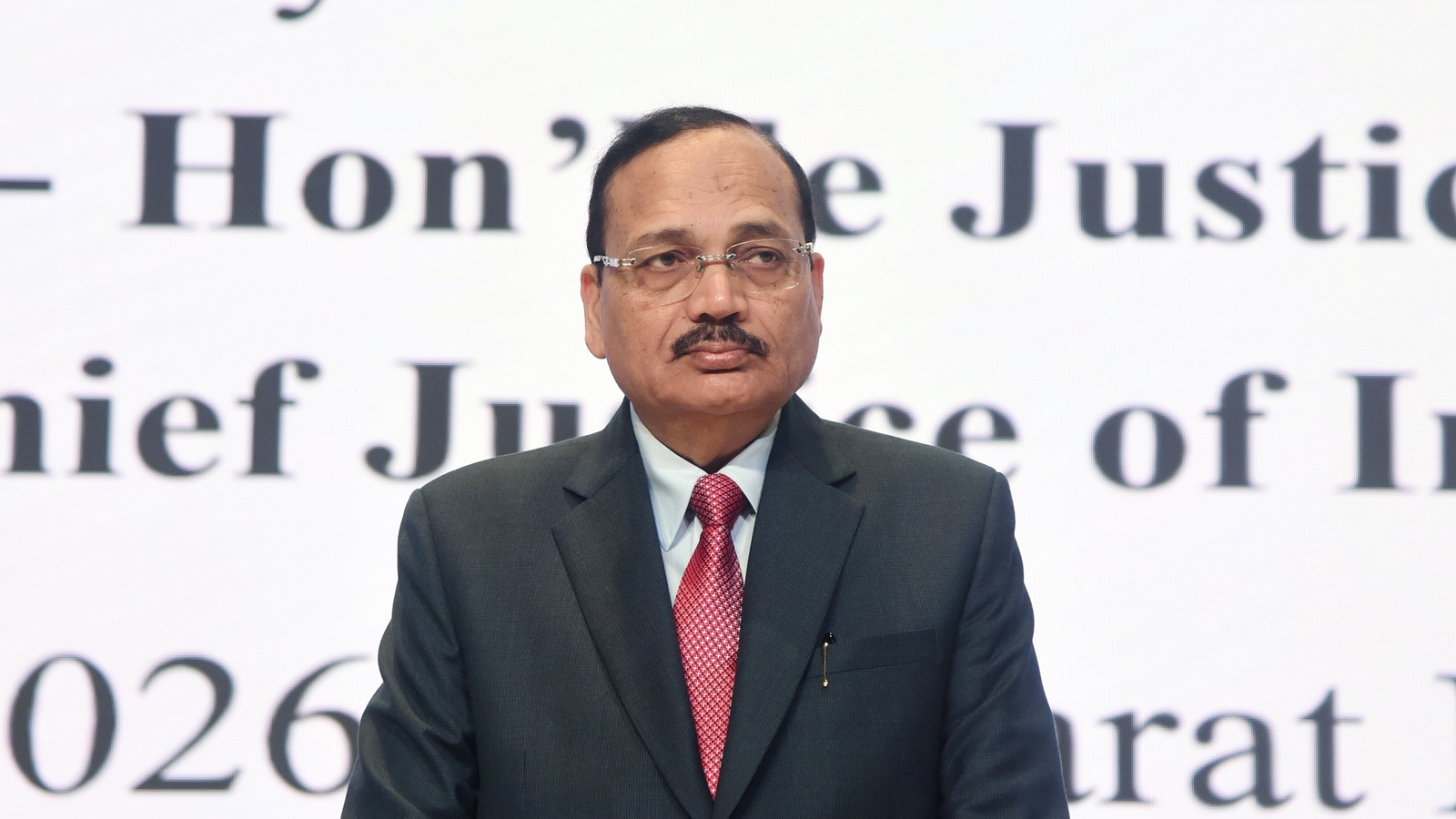
In a significant move to uphold the Supreme Court's roster system, Chief Justice of India (CJI) Surya Kant has reassigned at least two cases away from a bench headed by justice Ahsanuddin Amanullah. The decision was taken following a consultation with the four most senior judges of the court, and it comes after CJI Kant emphasized during a full court meeting last month that judges must adjudicate matters strictly in accordance with their assigned rosters.
The two cases involve issues related to regulatory failures in private universities and unauthorized constructions and misuse of residential properties across the country. Both started as individual disputes but were expanded by justice Amanullah, whose roster does not include PILs, to address wider systemic problems. The CJI's action sends a clear message that no bench should step beyond its assigned roster, regardless of the compelling nature of the cause.
The reassignment of the matters has resulted in the Ayesha Jain Vs Amity University Noida case being assigned to a three-judge bench headed by justice Vikram Nath, with justices R Mahadevan and Aparesh Kumar Singh as members. The second case, Loganathan vs State of Tamil Nadu, which was being heard by justices Amanullah and Mahadevan, is now expected to come up before a bench headed by justice BV Nagarathna on November 23.
According to sources, the move follows a full court meeting around four weeks ago in which CJI Kant stressed the need for orderly allocation of cases to maintain judicial discipline and public confidence in the administration of justice. The decision underscores the authority of the CJI and chief justices of high courts as the master of the roster, and the obligation of individual judges to remain within the judicial business assigned to them.
The principle has been reaffirmed in several Supreme Court judgments, including the Campaign for Judicial Accountability and Reforms case (2017) and Jasbir Singh Vs State of Punjab (2006), which emphasize that only the CJI can constitute benches and allocate cases. The ruling also states that no judge can take up a matter on their own unless it has been allocated by the CJI.