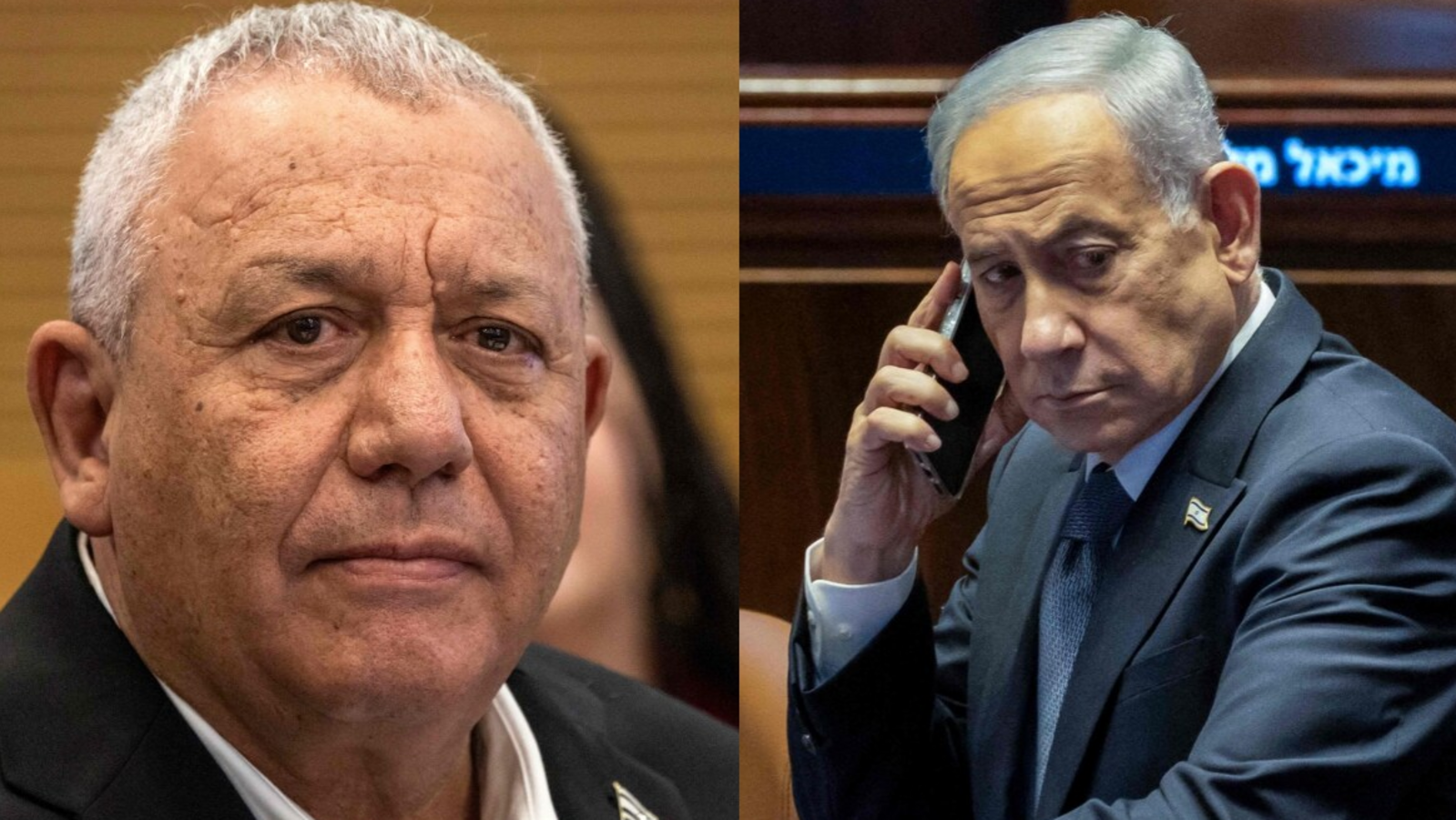
Israeli caretaker Prime Minister Gadi Eisenkot has set a 24-hour deadline for negotiations with Benjamin Netanyahu, the incumbent prime minister and political rival, in an effort to form a unity government. The high-stakes meeting is scheduled for Sunday morning at a hotel in Herzliya, following inconclusive elections in late October. Netanyahu, Israel's longest-serving prime minister, has offered to step aside and serve as alternate prime minister under a power-sharing arrangement, marking a significant shift in his leadership stance.
Netanyahu, through a social media post on Saturday evening, called for the formation of a national unity government, citing security threats and the need for political stability. He proposed that Eisenkot serve as prime minister at the beginning of the term, while he would serve as alternate prime minister. However, Eisenkot has demanded commitments on policy and governance before engaging in negotiations. In response to Netanyahu's proposal, Eisenkot stated his readiness to assess the Likud's seriousness over the next 24 hours and invited Netanyahu for discussions at the Dan Accadia Hotel in Herzliya.
The proposed unity government has drawn criticism from Netanyahu's political opponents who question his intentions and call for his removal from office. Youssef Jabareen, leader of the Arab-majority Joint List, which is expected to support an Eisenkot-led government without formally joining it, stated that the democratic majority has decided against Netanyahu's government. Former prime minister and co-chair of the centrist Beyachad party Yair Lapid also dismissed the offer, calling it a transparent con by a serial fraudster.
Eisenkot is attempting to bring together parties across the political spectrum to secure a parliamentary majority and end Netanyahu's tenure. However, his efforts have been complicated by opposition to relying on Arab-Israeli parties and the compromises that may be required to secure the support of ultra-Orthodox parties. So far, Yashar has reached coalition agreements with the left-leaning Democrats and the right-wing Yisrael Beiteinu party, but this grouping still falls short of the 61 seats required for a majority in Israel's 120-member parliament. The negotiations with Likud could therefore prove crucial as Eisenkot works to meet the December 6 deadline for forming a government.