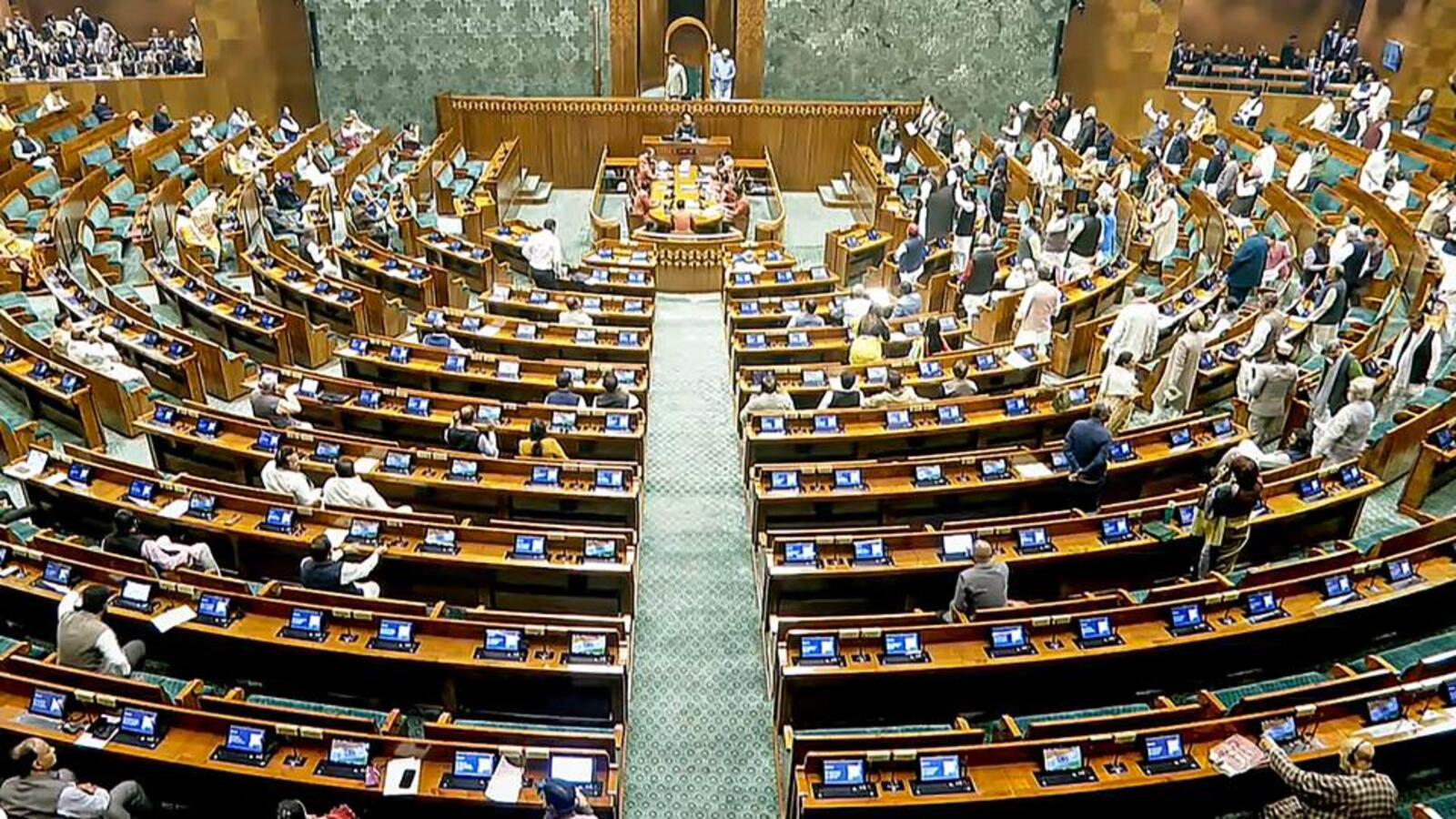
The Aam Aadmi Party (AAP) has announced its intention to oppose the central government's delimitation-linked Constitution amendment when it is tabled in the upcoming special session of Parliament starting on November 30. The party's chief whip in the Lok Sabha, Raj Kumar Chabbewal, informed about this stance. During the four-day session, the government plans to introduce three Bills: the Constitution (132nd Amendment) Bill, the Delimitation Bill, and the Union Territories Laws (Amendment) Bill. These proposed legislations aim to augment the Lok Sabha's strength by 50%, freeze the redistribution of seats between states until 2051, and pave the way for a 33% reservation for women from the 2029 general elections.
The government has attempted this reform before; however, in April, the earlier version, the Constitution (131st Amendment) Bill, was defeated in the Lok Sabha with only 298 votes in favor and 230 against, falling short of the required two-thirds majority. With a total of six representatives in both the Lok Sabha and Rajya Sabha, AAP has directed its Lok Sabha MPs to attend the session and support the party's stance through a three-line whip.
During an interview, Chabbewal expounded on the party's stand, discussed reported support from the Dravida Munnetra Kazhagam (DMK) and Nationalist Congress Party (NCP), and explained the potential implications for 2029 elections.
In response to a question about AAP's position on the Bill, Chabbewal stated that the party opposes this move and will make its opposition known in the House. He argued that the Bharatiya Janata Party (BJP) gained nothing from a previous constitutional amendment, and this latest attempt is merely an effort to deceive the public. The delimitation process was scheduled for 2027, but the government is pursuing it prematurely in an attempt to win votes and garner sympathy from women.
Regarding potential support from the NCP and DMK, Chabbewal expressed uncertainty about these parties' intentions, citing unclear motivations or negotiations behind their reported willingness to vote with the BJP. He added that any changes in the opposition alliance are subject to ongoing discussions and evolving political dynamics.
When asked about the Congress Party's role in the DMK's decision, Chabbewal suggested that the Congress should have supported the DMK, its primary ally, during the Tamil Nadu elections. Instead, the Congress abandoned the DMK to join the TVK (presumably the AIADMK), which may explain the DMK's current divergence from the INDIA bloc. Chabbewal believes that the DMK is making a justified stand in this regard.
Finally, Chabbewal predicted that the BJP seeks to alter the seat distribution according to its own interests. By offering a 50% increase and winning over some parties that did not support it earlier, the BJP intends to reap more seats from states favorable to it. The constituencies will become smaller as a result of this delimitation process, giving the BJP an advantage in areas where it has traditionally performed well.