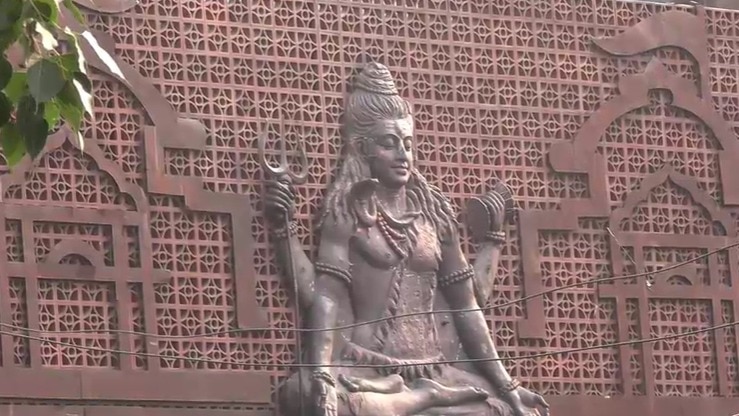
Varanasi, an ancient city renowned for its spiritual significance, is witnessing a new phase in its tourism economy following the inauguration of the Kashi Vishwanath Dham corridor in December 2021. This expansion and improvement of the temple complex, visitor facilities, ghat access, and connectivity have given religious tourism a significant boost. The benefits are being felt across various sectors, including boatmen, priests, flower sellers, shopkeepers, guides, hotel operators, and transport businesses.
The increased number of pilgrims has led to an expansion of the economic ecosystem in Varanasi, where a tourist is more than just a visitor for a boatman on the Ganga—they are potential passengers, bookings, and another day's income. Boat rides along the ghats, particularly during sunrise and evening Ganga Aarti, have become integral to the Varanasi experience. The flourishing demand for boating and guided river experiences has created more opportunities for those whose livelihoods depend on the river.
Similarly, in the lanes surrounding the Kashi Vishwanath temple, flower and garland sellers, prasad shops, local food vendors, Banarasi saree and handicraft traders, and other businesses are part of this burgeoning tourism economy. A visitor's spending on offerings, souvenirs, meals, boat rides, and transport multiplies across thousands, supporting a vast network of livelihoods.
The benefits also extend to hotels, guest houses, homestays, restaurants, taxi operators, e-rickshaw drivers, travel agencies, and tour guides. The expansion of accommodation and tourism-related infrastructure has created work in construction, housekeeping, food services, security, and transportation. For local young people, guiding tourists and working with travel operators have emerged as additional employment opportunities.
The Kashi Vishwanath Dham corridor project, inaugurated in December 2021, has been a significant factor behind this transformation. The redevelopment brought improved access and visitor facilities to an area traditionally approached through narrow lanes, making the temple visit more convenient for families and elderly relatives. However, the tourism story is no longer confined to the temple; Dashashwamedh Ghat, Assi Ghat, Namo Ghat, Sarnath, Sankat Mochan, and Durgakund are also part of Varanasi's wider visitor circuit. The evening Ganga Aarti, boat rides, and local food experiences add to the attractions.
Improved connectivity with other parts of the country has further helped Varanasi attract visitors. Enhanced roads, rail links, and air connectivity have made the city more accessible to pilgrims traveling from different states. As a result, a temple visit often becomes part of a longer stay involving several religious and cultural experiences. Guides, boatmen, and shopkeepers find new opportunities in introducing visitors to the city's history and traditions.