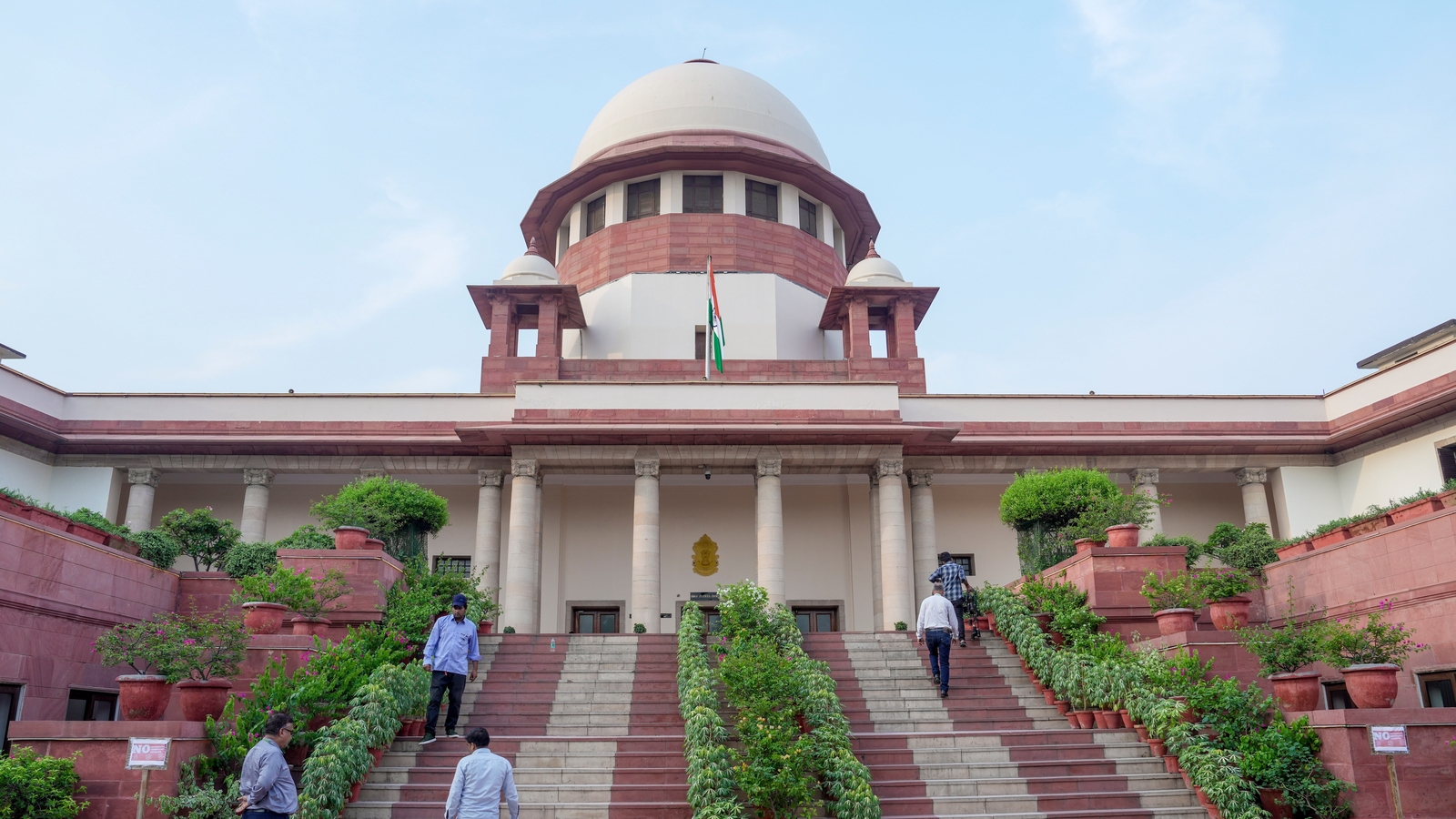
In a significant decision that emphasizes the importance of personal liberty, the Supreme Court of India has granted bail to an accused arrested under the stringent Narcotic Drugs and Psychotropic Substances (NDPS) Act. The man, Arshdeep Singh, was held in custody since May 2020 without a trial commencing, a period the court deemed unacceptable as it amounts to punishment itself. The bench reminded lower courts that even the rigorous provisions of special laws must respect the constitutional right to personal liberty. The court directed Singh's release on bail subject to conditions imposed by the trial court, setting aside an earlier rejection of his bail application by the Allahabad High Court. The court's intervention underscores that the stringent restrictions under Section 37 of the NDPS Act cannot justify indefinite pre-trial incarceration. Singh was arrested by the Narcotics Control Bureau after a truck he was traveling in was intercepted on GT Road, with investigators claiming to have recovered over 31 kg of opium. The court noted that despite charges being recently framed, the trial was yet to commence, and Singh had no prior criminal history.
In considering the bail application, the court highlighted the prolonged incarceration and the absence of progress in the trial as decisive factors. The severity of the accusation cannot, by itself, justify keeping an undertrial in prison for years without bringing the case to trial, the bench observed. The court also made Singh's liberty conditional on his diligent attendance at trial and warned that any breach of bail conditions, including attempts to influence witnesses, could lead to cancellation of bail.
The high court had previously rejected Singh's arguments that mandatory procedures under Section 52A of the NDPS Act were not followed in the disposal and documentation of seized narcotic substances. However, the Supreme Court deemed these prolonged incarceration and lack of trial progress as crucial factors in granting bail. The court emphasized that delayed compliance or non-compliance with Section 52A does not automatically vitiate a trial or serve as a standalone ground for granting bail.