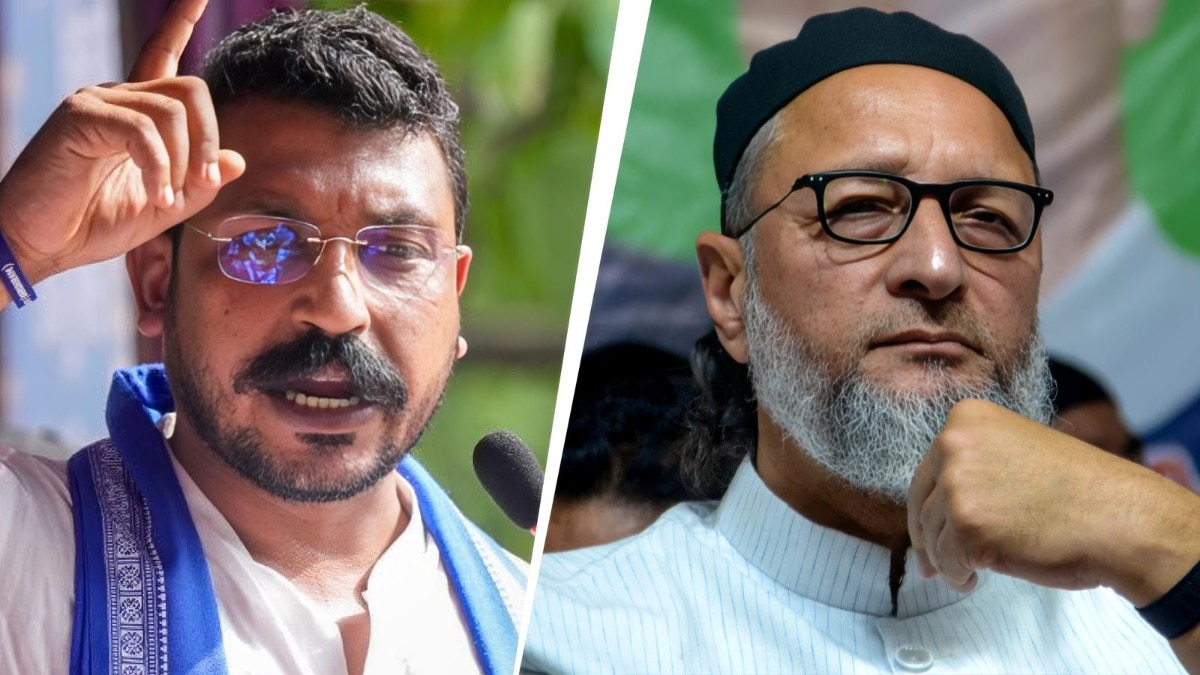
A potential new political front is anticipated to emerge in the Uttar Pradesh electoral landscape, with Asaduddin Owaisi, the leader of the All India Majlis-e-Ittehadul Muslimeen (AIMIM), and Chandrashekhar Azad, president of the Azad Samaj Party (Kanshi Ram), joining forces. This alliance is expected to be officially announced at a joint press conference in Lucknow on Thursday, with plans to contest approximately 150 seats out of the 403 Assembly seats in Uttar Pradesh. The seat-sharing arrangement and constituencies each party will contest are yet to be clarified during the announcement.
The proposed alliance aims to create a political coalition of Dalit and Muslim voters, particularly in western Uttar Pradesh and the Rohilkhand region. With both communities representing a significant share of the state's population, their electoral support is crucial in several constituencies. The tie-up comes as political parties gear up for the Assembly elections, scheduled for early 2027, with the main contest currently shaping between the BJP-led National Democratic Alliance (NDA) and an opposition alliance centered around the Samajwadi Party (SP) and Congress.
The BJP secured a significant victory in the 2022 Assembly elections with 255 seats, while the SP managed 111. The Bahujan Samaj Party (BSP), led by Mayawati, won just one seat, and the Congress two. The BJP's alliance includes parties such as the Rashtriya Lok Dal (RLD), the Suheldev Bharatiya Samaj Party (SBSP), the Nishad Party, and Apna Dal (Sone Lal). Meanwhile, the SP is seeking to continue its partnership with the Congress. The BSP remains another crucial player in Uttar Pradesh's electoral calculations, with Mayawati indicating her party will contest the 2027 elections independently to rebuild its support base among Dalit voters.
The proposed Owaisi-Azad alliance could introduce a new electoral combination into a contest primarily centered on the BJP-led NDA and the SP-Congress partnership. Owaisi has been critical of SP chief Akhilesh Yadav, accusing his party of taking Muslim voters for granted. The alliance's electoral prospects will depend on its candidate selection, seat-sharing arrangement, campaign strategy, and ability to build support beyond the existing voter bases of the two parties. The joint press conference on Thursday is expected to provide insights into how the new front plans to approach the 2027 contest.