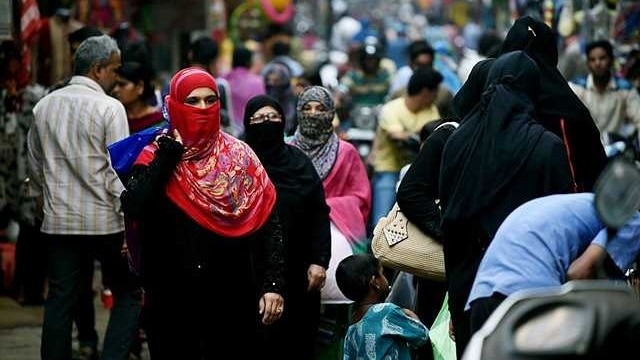
According to a recent study by the Pew Research Centre, India is projected to become home to the second largest Muslim population globally by 2070, surpassing its current position as third. The report also indicates a decline in the Hindu share of India's overall population from 79% in 2020 to 76% in 2070.
The study attributes this change primarily to fertility rates and the younger age profile of Muslims compared to Hindus. In 2020, the median age for Indian Muslims was found to be 24, while it was 29 for Hindus. Additionally, the average number of children per Hindu woman has fallen from 3.3 three decades ago to an estimated 1.9 in 2020, whereas Muslim women in India are projected to have an average of 2.3 children between 2025 and 2030, compared to 1.8 among Hindu women.
The Pew study further projects that Pakistan and the United States will see growth in their Hindu populations, with Pakistan's Hindu population nearly doubling from 5 million in 2020 to 10.3 million by 2070, primarily due to natural population increase. The US is expected to have the world's fifth-largest Hindu population, rising to 7.4 million by 2070, mainly driven by immigration.
On the other hand, India's Muslim population is projected to rise from 213 million in 2020 to 334 million by 2070, pushing India from third to second place among nations with the largest Muslim populations. By 2070, Indonesia, currently home to the world's largest Muslim population, is expected to be surpassed by Pakistan, which will have an estimated 461 million Muslims. Nigeria will rank third, followed by India.
Experts from the Pew Research Centre have explained that these projections are based on the fact that Muslims are younger and have higher fertility rates compared to Hindus, with Muslim fertility projected to remain above replacement level for another two decades. The replacement level is defined as the rate at which new births are sufficient to maintain a stable population from one generation to the next.