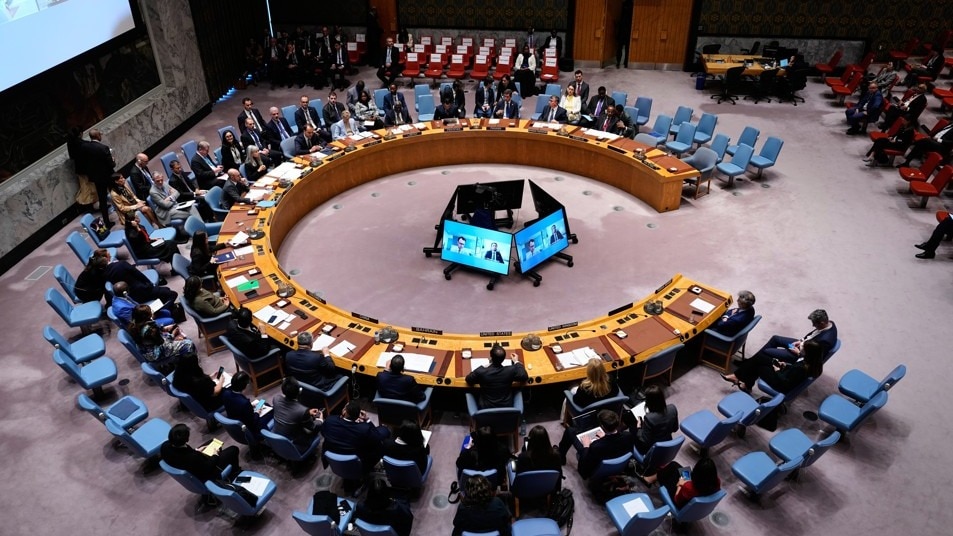
A parliamentary standing committee has been established to scrutinize recent developments in India's bilateral relations with Pakistan, proposed reforms at the United Nations, and India's bid for a permanent seat on the UN Security Council during 2026-27. This announcement was made by the committee. The Committee on External Affairs has chosen a variety of topics for examination, including India's ties with major countries and regions, passport services, multilateral groupings, cultural diplomacy, the Indian diaspora, and the functioning of institutions related to foreign policy.
The Lok Sabha Secretariat released a bulletin on Monday outlining these subjects. The committee will also examine India's relations with countries like the United States (including the role of the Quad), China, Europe, West Asia, and others. Other topics include India's Act East Policy, partnership with the Association of Southeast Asian Nations, India-Africa strategic partnership, India's engagement with BRICS, and the country's soft power and cultural diplomacy.
The committee will investigate the functioning of educational institutions such as Nalanda University and South Asian University, focusing on their governance, international participation, and contributions to knowledge diplomacy. Additionally, it will review the performance of Indian missions abroad, emigration issues, the international mobility of skilled professionals, and the welfare of the Indian diaspora. The panel will also examine India's relations with Bhutan and measures to strengthen the Indian Foreign Service to meet the expanding global responsibilities of the nation.
The role of states and Union Territories in external engagement, including outreach to the diaspora and investment promotion, will also be examined by the committee. The committee will additionally review the Ministry of External Affairs' engagement with think tanks and academic institutions. In summary, the committee's agenda for 2026-27 encompasses India's key bilateral and multilateral relationships, institutional reforms, diplomatic capacity, passport and emigration matters, and efforts to expand the country's global engagement.