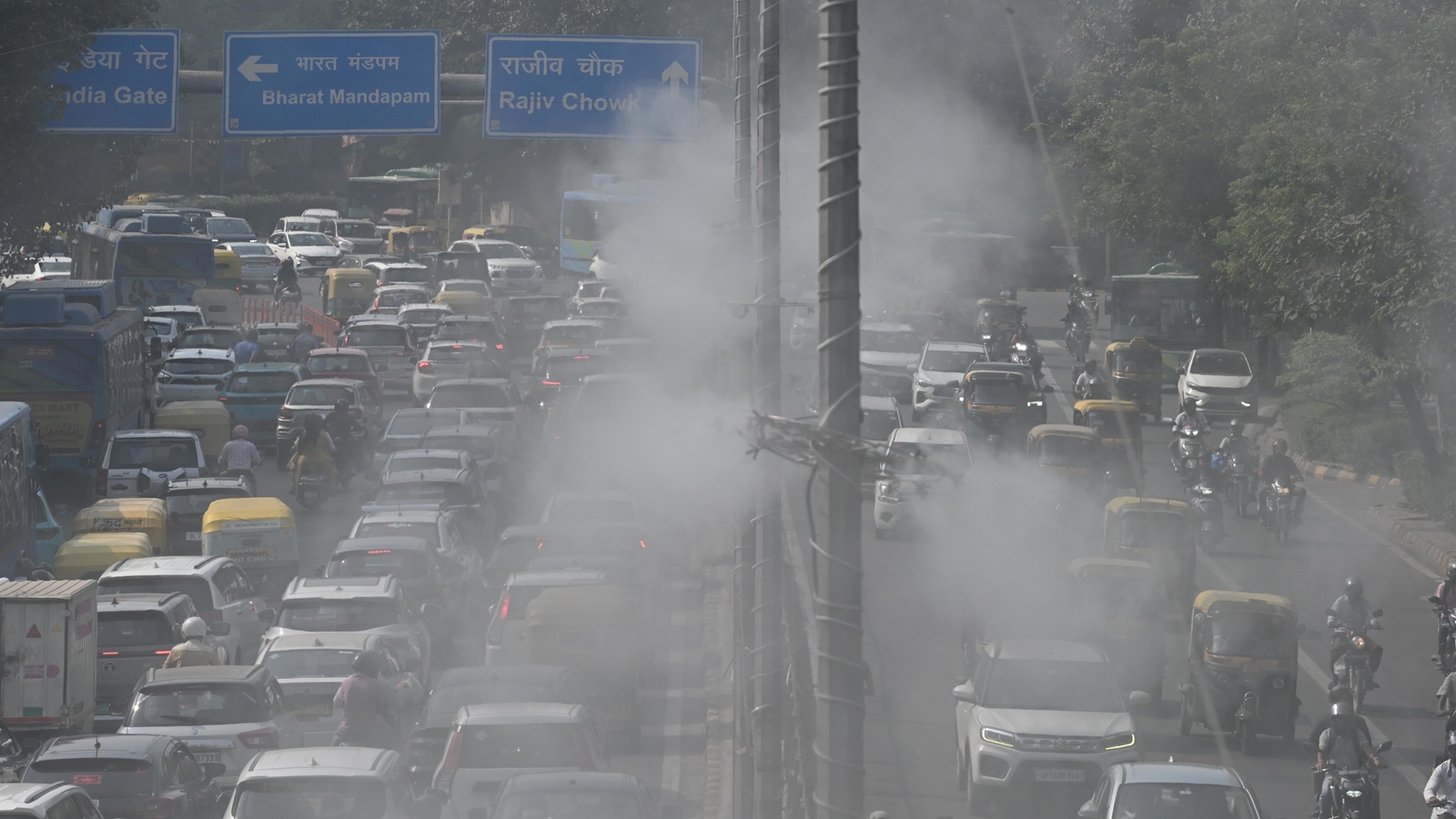
The Indian government is planning to implement stricter measures in its pollution-under-control (PUC) testing system to combat manipulation of vehicle emission standards. The proposed amendment to the Automotive Industry Standard (AIS)-137 (Part 8), issued under the Central Motor Vehicles Rules, aims to introduce hardware-based security features in petrol and diesel vehicle emission-testing equipment. This will ensure that readings cannot be altered by operators or external devices.
Under this new framework, gas analysers and smoke meters will incorporate a Trusted Platform Module (TPM 2.0) security chip, generating and storing cryptographic keys. Every valid emission test will be digitally signed within the instrument before its results are transmitted to the Pollution Under Control Certificate (PUCC) server through the machine’s own SIM or eSIM connection. The amendment also aims to prevent computers at testing centres from manipulating readings, restricting them to initiating tests and handling certificate printing, without access to the instrument’s private signing key or the ability to modify measured emission values.
The proposed standards also include stricter testing protocols, such as conducting measurements for at least 60 seconds, with the average of readings during the final 10 seconds taken as the result. Tests recording oxygen concentrations of 5% or higher will be rejected, requiring operators to conduct a retest. Every valid completed test, irrespective of whether a vehicle passes or fails, will have to be digitally signed and transmitted to the central server.
The instruments will also be required to detect unauthorized opening, software modifications, and attempts to manipulate readings. Such incidents will trigger suspension of further testing and signing until the equipment is reverified. The amendment provides for manufacturers to register their equipment and maintain records of active and withdrawn instruments, along with provisions for audit logs and reporting of security incidents. The existing digital PUC system links test results to the VAHAN database, with NIC-developed testing software implemented in 31 states, according to the Ministry of Road Transport and Highways.