In a significant development, the Jharkhand Mukti Morcha (JMM) has indicated conditional support for the proposed Delimitation Bill, contingent upon a proportional increase in constituencies reserved for Scheduled Castes (SCs) and Scheduled Tribes (STs). The decision was made during a meeting chaired by Jharkhand's Chief Minister Hemant Soren.
The JMM has expressed that they may vote in favour of the bill if there is a proportional increase in seats reserved for SCs and STs, ensuring that their interests are fully safeguarded. However, they have also issued a warning that any arbitrariness or potential adverse impacts on Jharkhand's tribal population could lead to strong opposition.
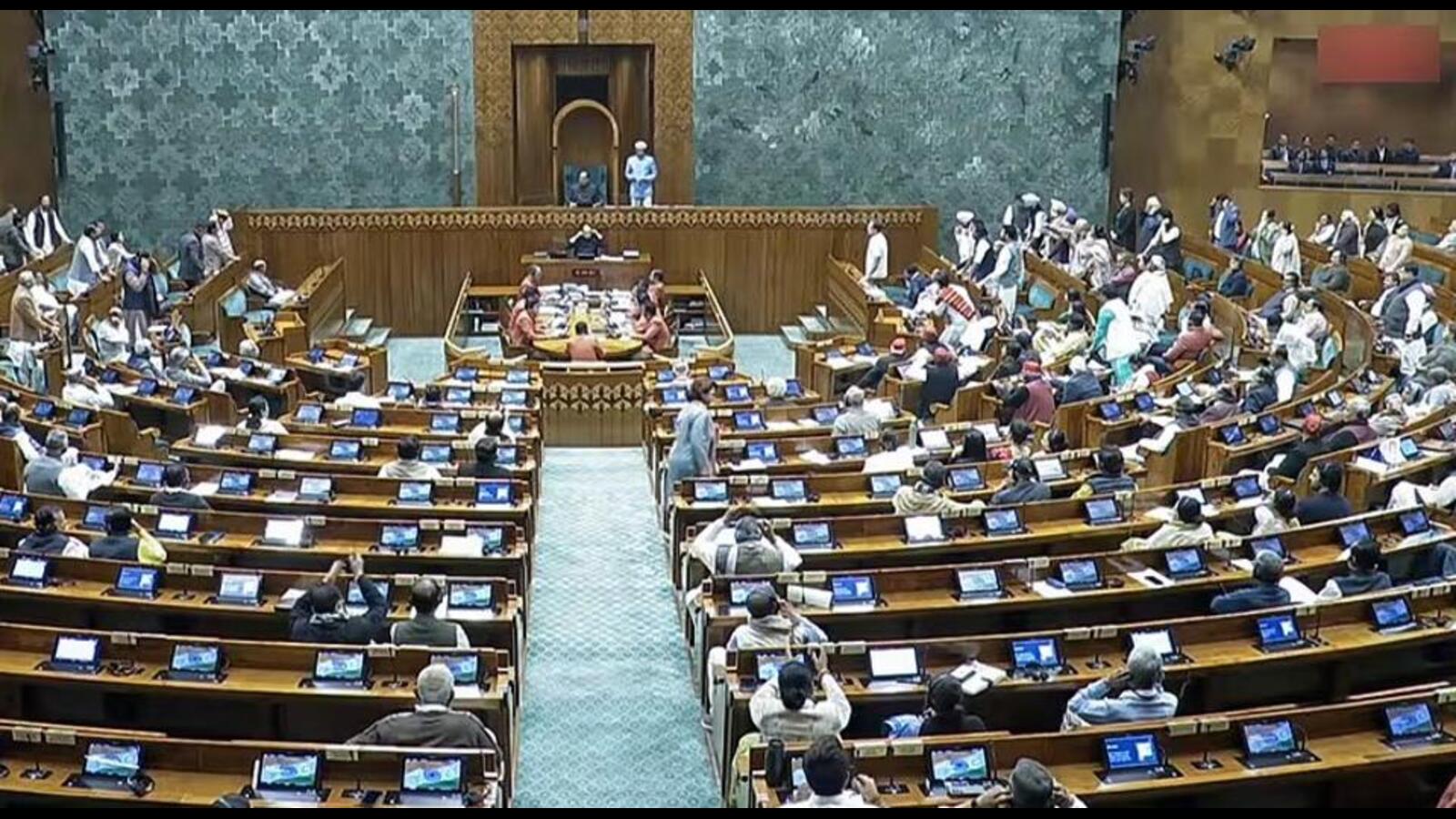
JMM central vice president and Rajya Sabha MP Baijnath Ram has left for New Delhi to participate in the parliamentary proceedings where the government is set to introduce the Delimitation Bill, scheduled to start from November 30. The bill aims to increase the maximum strength of the Lok Sabha to 815 members from states and 35 from Union territories, with a similar increase in state legislative assemblies.
It is important to note that the proposed expansion will apply to the existing allocation of seats in each state and Union Territory, preserving their relative share in the Lok Sabha rather than redistributing representation according to population differences. The actual number of seats could be between 816 and 824 for the Lok Sabha, depending on how half-seats are rounded up.
The bill, introduced in April, failed to garner the required majority due to united Opposition. However, recent political changes, such as rebellion within the Trinamool Congress and Shiv Sena (Uddhav Balasaheb Thackeray), and willingness from the Dravida Munnetra Kazhagam and the Nationalist Congress Party (Sharadchandra Pawar) suggest that the NDA might be more successful this time.