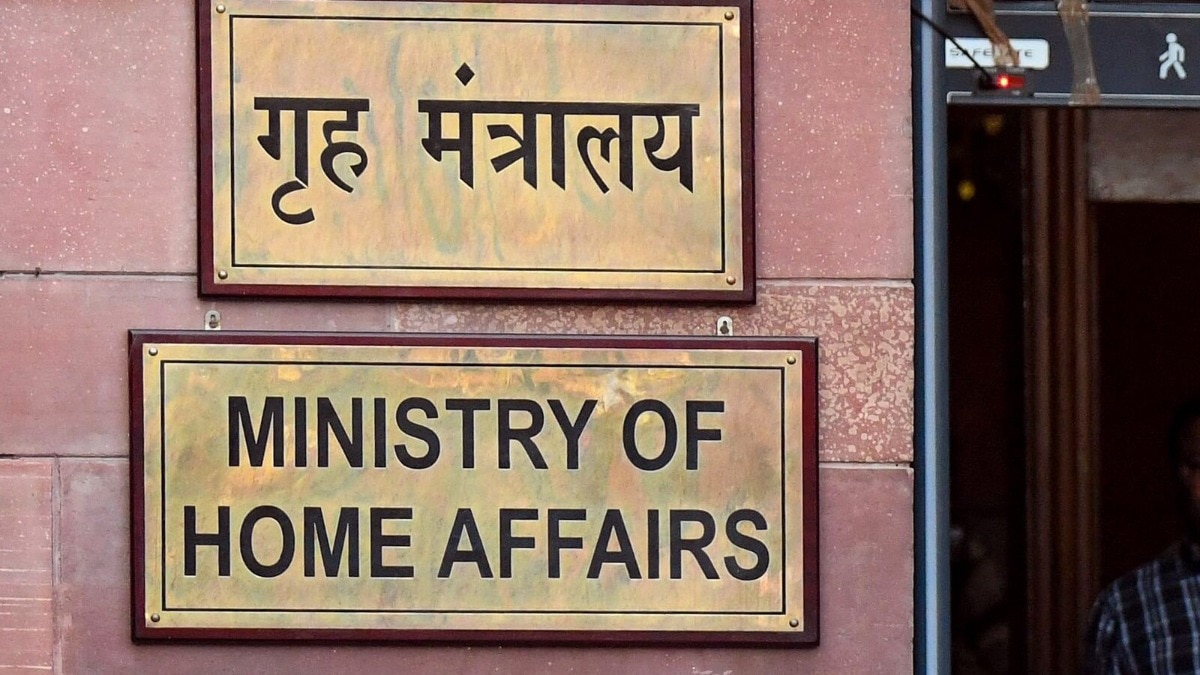
The Ministry of Home Affairs in India has announced significant changes to the country's visa system, aiming to make it more efficient and user-friendly. Effective August 27, the number of main visa categories has been reduced from 13 to 9, with sub-categories decreasing from 49 to 23. The ministry claims that this simplification will provide clarity, ease identification of appropriate categories, and facilitate legitimate foreign arrivals in India.
The changes are part of a larger effort to modernize the visa regime by studying the systems of developed countries and adhering to global standards. One key modification is the renaming of the Tourist Visa to Visitor Visa, which now covers a broader range of purposes beyond conventional tourism. The Visitor Visa has been divided into two sub-categories: V-1 and V-2, each catering to different short-term and long-term activities.
The Medical Visa framework has also undergone changes, with separate provisions for treatment under conventional and AYUSH systems. The M-1 visa covers medical treatment other than AYUSH treatment, while the M-3 visa is for treatment under AYUSH systems. Both visas will have default multiple entries and a one-year validity period.
The Student Visa category has been consolidated into two broad sub-categories: S-1 and S-2, covering school, graduate, postgraduate education, PhD, research scholars at Indian universities, visiting faculty, foreign research students, internships, exchange programs, and other academic activities. Foreign students enrolled in Indian educational institutions may now receive an e-S1 visa for up to five years or the duration of their academic course, whichever is shorter, with multiple entries.
Lastly, the Business Visa category has been divided into B-1 and B-2, covering long-term business activities requiring licenses and short-term, contract-based business activities, respectively. A separate provision has been made for foreign specialists, engineers, and technical personnel hired by Indian companies, covering various work types such as installation, maintenance, information technology, and senior management.
In addition to these changes, the visa application forms have been simplified across all 23 categories and sub-categories, with a reduction of 65-70% in the required fields. This simplification aims to reduce the information sought from foreign nationals while retaining the essential details needed to process applications. The ministry hopes that these changes will streamline the visa application process and encourage more legitimate foreign arrivals in India.