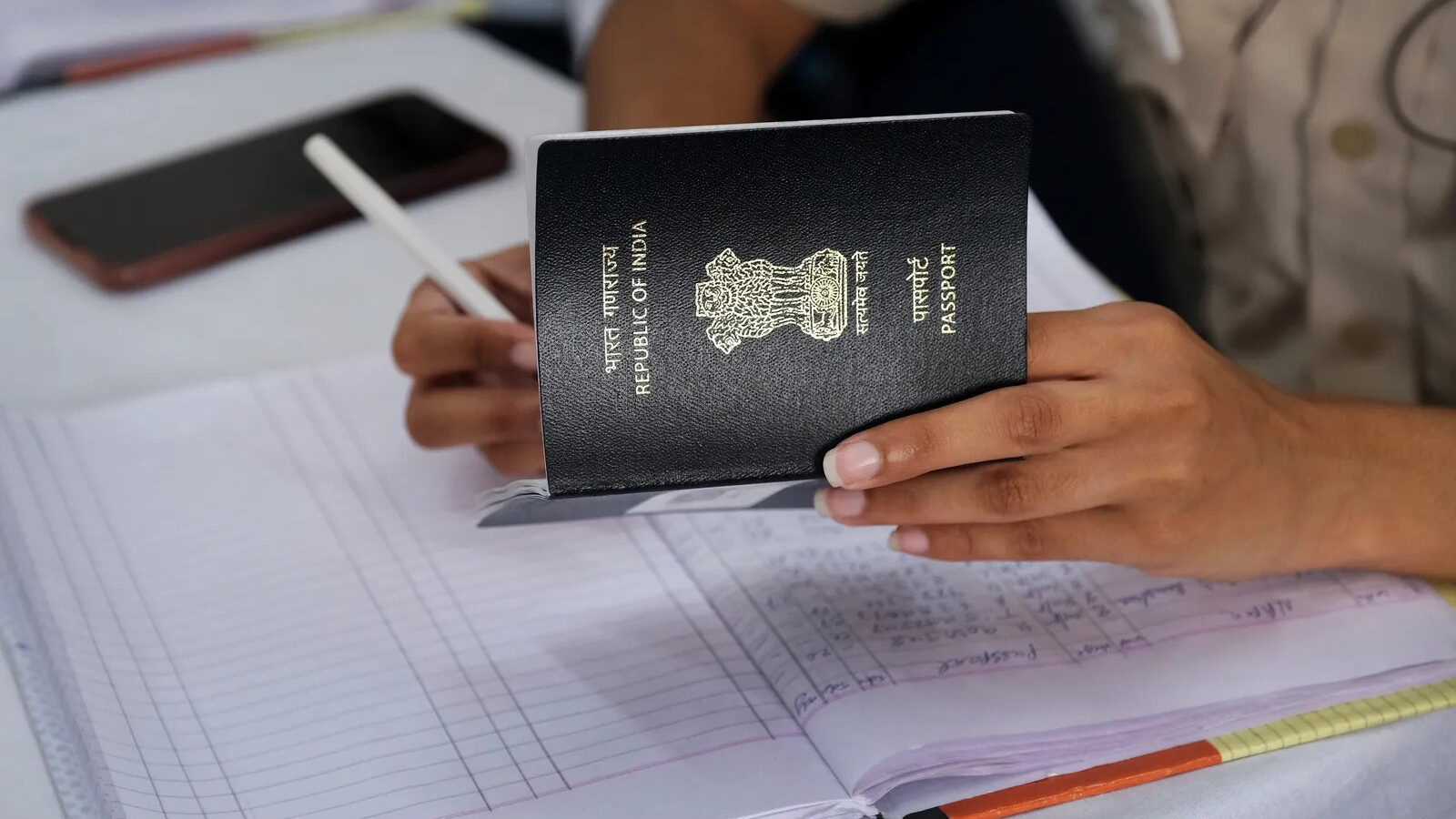
In a significant move to streamline the country's visa process, the Ministry of Home Affairs has announced the reduction of main Indian visa categories from 13 to nine and sub-categories from 49 to 23. This change is aimed at simplifying the visa regime and boosting foreign tourist arrivals, medical value travel, and student arrivals.
The revised primary categories under India's visa regime now include Business Visa, Diplomatic Visa, Work Visa, Journalist Visa, Medical Visa, Official Visa, Student Visa, Visitor Visa, and Miscellaneous Visa. Notably, the Tourist Visa has been renamed as the Visitor Visa, reflecting a broader range of permitted purposes beyond conventional tourism.
The new Visitor Visa category has been organized into two sub-categories, V-1 and V-2, allowing applicants to select a visa suitable for their proposed visit's nature and duration. Visa 1 covers short-term activities such as business meetings, medical consultations, wellness retreats, and short-duration courses in Indian languages, music, art, and craft. Meanwhile, Visa 2 is intended for longer-duration visits, with validity of 1, 5, or 10 years, as specified.
The Business Visa category has been consolidated into B-1 and B-2. B-1 Visa covers long-term, license-based business activities, including foreign nationals seeking to establish industrial or business ventures in India. On the other hand, B-2 Visa covers short-term, contract-based business activities such as Production Investment Business, conferences, sports, performative arts, and films.
The Student Visa category has also been consolidated into two sub-categories – S-1 and S-2. S-1 Visa covers school, graduate, and post-graduate education, while S-2 Visa covers PhD and research scholars in Indian universities, visiting faculty, foreign research students, scientific and anthropological expeditions, internships, and exchange students, among other specified academic activities.
This restructuring is expected to make the visa selection process simpler for travelers and businesses alike, providing clarity when planning long-term investments or short-term contractual assignments. The changes are scheduled to take effect soon, with further details to be announced by the Ministry of Home Affairs.