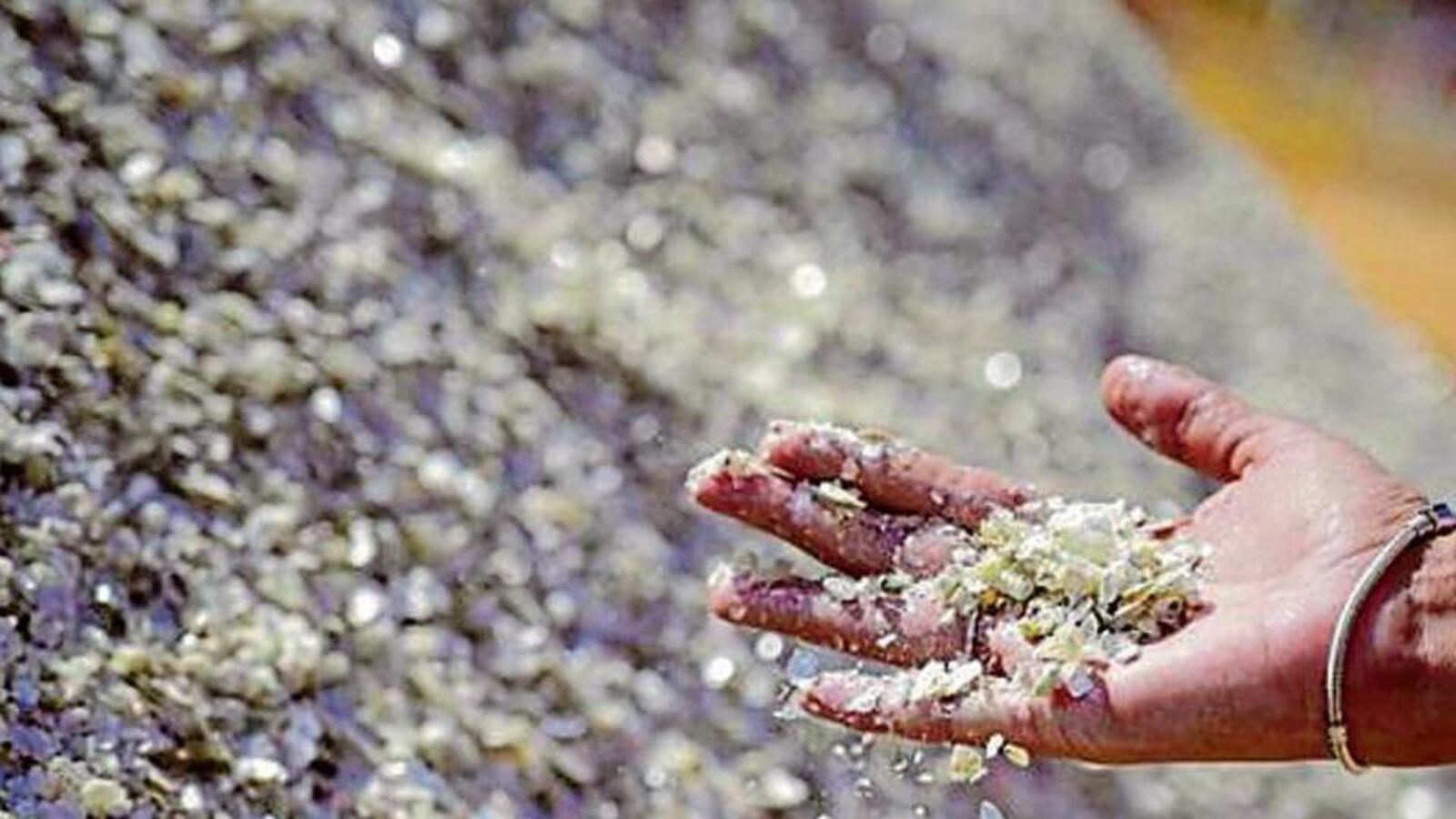
In a significant move towards promoting domestic recycling and reducing import dependence, the Indian government has prohibited the immediate export of lithium-ion battery black mass. The Directorate General of Foreign Trade (DGFT) issued a notification on November 10, placing the item in the prohibited category. The ban aims to retain critical minerals such as lithium, cobalt, nickel, and manganese within the country for domestic recycling.
The black mass, obtained from shredding end-of-life lithium-ion batteries and battery manufacturing waste, is a valuable secondary resource containing recoverable quantities of these critical minerals. The prohibition also covers waste and scrap of primary cells, primary batteries, and electric accumulators, as well as spent cells, batteries, and accumulators that are unsorted and do not contain lead, cadmium, or mercury.
The ban is intended to ensure that black mass generated in India is recycled and refined within the country, thereby assuring feedstock for domestic recycling and refining units, improving their capacity utilization, and encouraging further investment and employment in the sector. It is expected to increase domestic recovery of critical minerals, reduce import dependence, and strengthen supply chains for battery manufacturing, electric vehicles, energy storage, and clean-energy technologies.
The decision aligns with the government's vision to advance the circular economy and "urban mining," which aim to reduce reliance on primary mining. It also supports environmentally sound recycling of this hazardous material within the country under applicable environmental regulations. The move complements the government's initiatives under the National Critical Mineral Mission, including a ₹1,500-crore incentive scheme approved in September 2025 to develop recycling capacity for the separation and production of critical minerals from secondary sources such as battery waste and e-waste.
The government's decision is consistent with measures taken by several major economies to retain critical mineral-bearing battery waste and black mass for domestic processing, thereby ensuring that the recycling capacity being built under the scheme has access to adequate domestic feedstock.