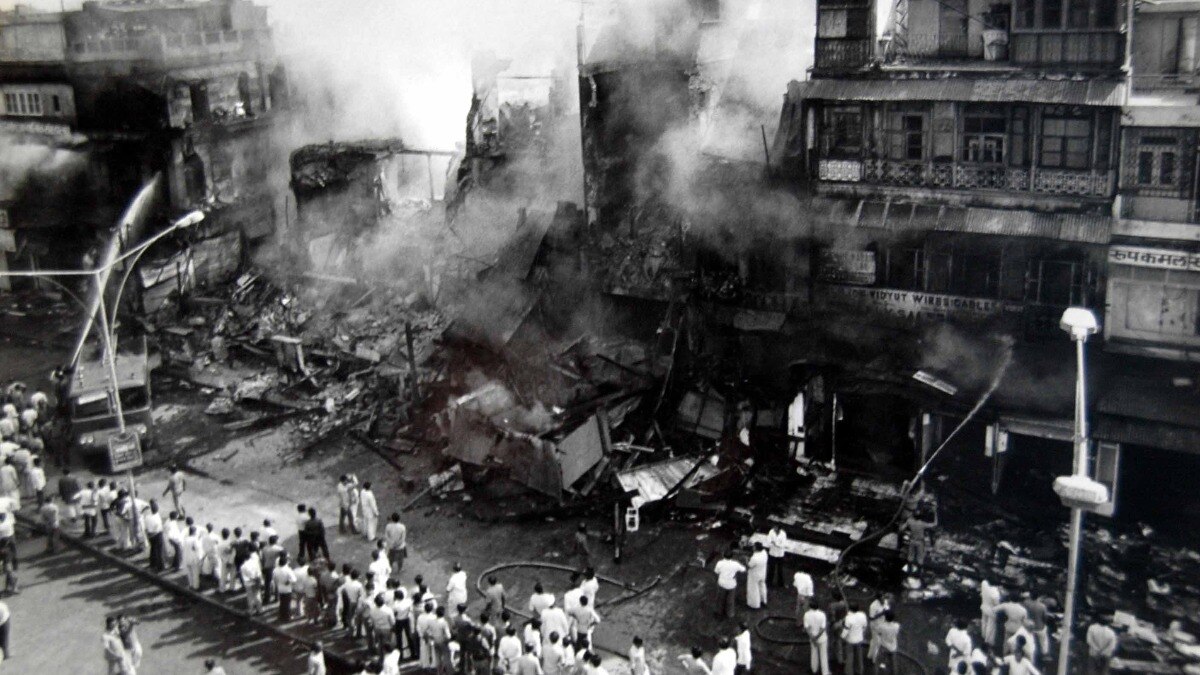
In her recently released memoir, Belonging: A Journey of Love, Congress leader Sonia Gandhi has stirred a contentious debate regarding the events surrounding the 1984 anti-Sikh pogrom that occurred following the assassination of Prime Minister Indira Gandhi and her mother-in-law. Mrs. Gandhi claims that the Army was ordered to be deployed on October 31, 1984, but the delay in mobilization was due to military brass. Army Chief General AS Vaidya, however, stated in his submission to the Justice Ranganath Misra Commission (1985) that soldiers were indeed deployed on October 31 but were never utilized. The delay, as revealed by the Misra Commission, was due to Delhi's Lieutenant Governor and Police Commissioner who insisted on evaluating the situation before troops could be deployed. The commission found that had approximately 5,000 soldiers present in Delhi been mobilized, around 2,000 Sikh lives could have been saved. Several individuals have since challenged Sonia Gandhi's account of the 1984 massacre, questioning her version of events.
The assassination of Indira Gandhi took place on October 31, 1984, at around 9:30 am, and she was pronounced dead at approximately 2:20 pm by doctors at AIIMS. The initial unrest began later that day with crowds targeting the motorcade of President Zail Singh, and Rajiv Gandhi was sworn in as Prime Minister. Large-scale attacks on Sikhs occurred throughout November 1 and 2, 1984, in Delhi and other cities. A curfew was declared in Delhi on November 2, and shoot-at-sight orders were issued for the Army to patrol the city streets. Indira Gandhi's funeral took place on November 3, 1984.
In her memoir, Sonia Gandhi writes that General Vaidya decided not to mobilize nearby units with Sikh soldiers due to concerns that it could exacerbate the situation. She explains that following Operation Blue Star, there had been sporadic mutinies by Sikh soldiers in various locations. However, General Vaidya's remarks regarding the Army deployment in Delhi in 1984 are captured in the Misra Commission report and not the Nanavati Commission (2000-2005) report. General Vaidya was assassinated by Khalistanis on August 10, 1986, before he could see the final report's submission. The Misra Commission report was submitted in August 1986 but tabled in Parliament only in February 1987.