On March 11, the Union Finance Ministry's revenue department added 2-Bromo-4-Methylpropiophenone to the list of controlled substances, following a recommendation from the Narcotics Control Bureau (NCB). The move was intended to curb clandestine laboratories manufacturing mephedrone. However, recent investigations by the NCB have uncovered these same labs using hydrobromic acid instead of the controlled compound to circumvent restrictions on key precursor chemicals.
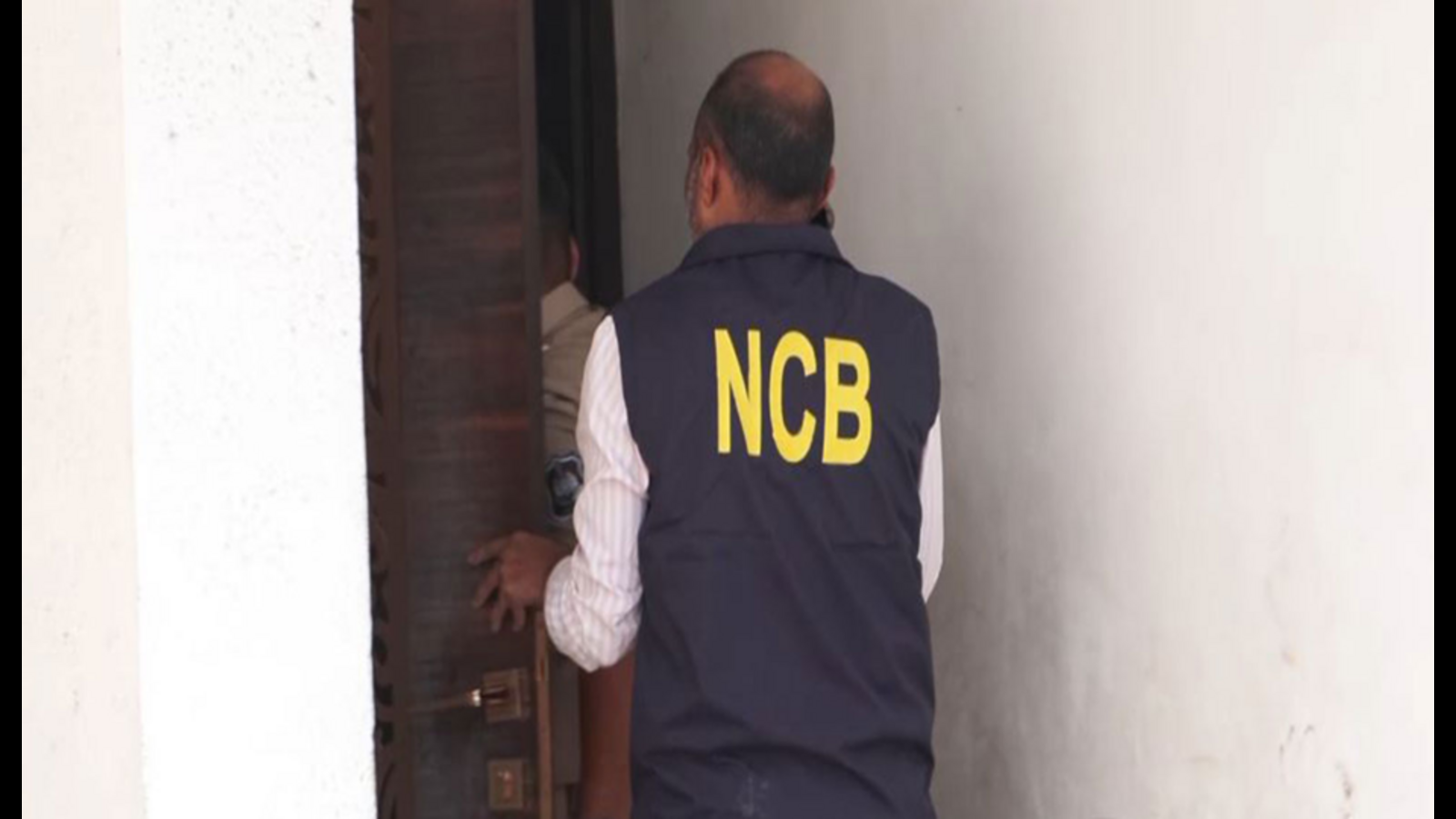
On November 15, a mephedrone laboratory was busted in Ahmedabad's Sarkhej, where hydrobromic acid was seized. The NCB stated that 25 chemicals, including methylamine, bromine, and hydrobromic acid, were recovered from the concealed lab. Suspected mephedrone in both powder and liquid form was also found.
The Ahmedabad case indicates that traffickers are adopting alternative manufacturing methods to bypass control measures. An accused in the case, Mudasar Ahmed Khan, reportedly learned the process of manufacturing mephedrine through the internet and was attempting to produce high-quality drugs after procuring chemicals and laboratory equipment.
The NCB emphasized the critical role of chemical and pharmaceutical manufacturers, importers, distributors, and traders in preventing diversion. They urged these entities to adhere to the Voluntary Code of Conduct for Preventing Diversion of Precursor Chemicals. The NCB also called for continuous intelligence development, close monitoring of precursor supply chains, and rapid information sharing among enforcement agencies, regulators, and industry.
Drug cartels operating clandestine labs have emerged as a significant challenge in the government's fight against drugs. In 2025, drug enforcement agencies busted 30 such labs across the country, with two recently discovered in Greater Noida. The NCB's 2025 annual report listed mephedrone as the most common drug produced in these labs.
The NCB urged increased vigilance over notified controlled substances and non-scheduled precursor and pre-precursor chemicals that may be diverted for illicit synthesis. The agency also called on state police forces to identify clandestine laboratories mushrooming across the country, as highlighted by NCB chief Anurag Garg in a letter last year.