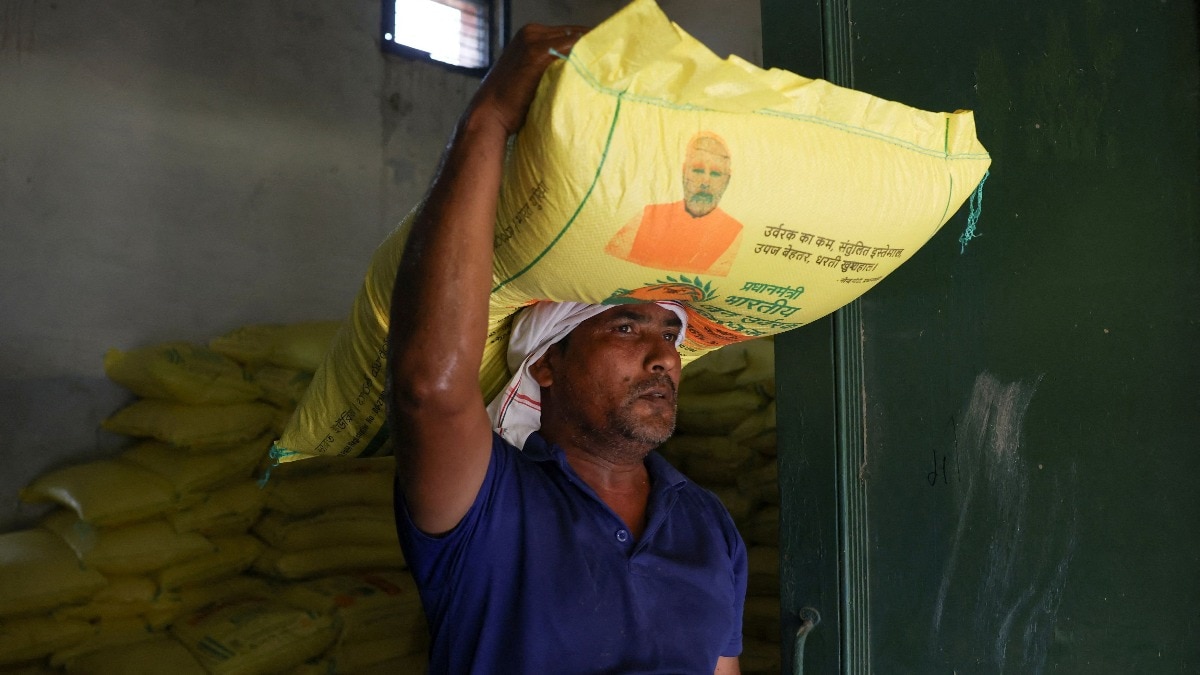
The Comptroller and Auditor General (CAG) of India has initiated a comprehensive performance audit across the country, focusing on the alleged diversion of subsidized urea in 169 districts. This investigation comes amidst concerns that subsidized fertilizer, particularly urea, is being misused and potentially smuggled out of the country. The audit aims to examine various aspects of the urea subsidy system, including demand estimation, supply planning and movement, freight subsidy mechanisms, and systems designed to prevent misuse. The audit will also assess whether the long-standing neem-coated urea scheme has effectively reduced leakage. Officials believe that the significant economic incentive created by the price gap between agricultural and industrial-grade urea contributes to the problem of diversion. Furthermore, there are concerns about subsidized urea moving across border districts in Uttar Pradesh, Rajasthan, Punjab, and Bihar, with reports suggesting unusual patterns in e-way bills and trucks carrying fertilizer deviating from declared routes.
The CAG's investigation marks the first comprehensive review of the urea subsidy system since 2011. The audit will involve multiple departments, including the agriculture ministry, railways, and GST network, sharing data to track the full chain of production or import to the farmer's field. The findings from this audit are expected to be presented during the winter session of Parliament in mid-2027.
The government has spent over Rs 16 lakh crore over the past 12 years to shield farmers from high fertilizer prices, with urea forming the largest share of the subsidy. In 2025-26 alone, India spent around Rs 1.42 lakh crore on urea subsidies, up from Rs 1.18 lakh crore in the previous financial year. For 2026-27, the government has budgeted Rs 1.17 lakh crore towards urea subsidies.
The Comptroller and Auditor General (CAG) of India has launched a wide-ranging investigation into the alleged diversion and potential smuggling of subsidized urea in 169 districts across the country. This audit follows concerns that agricultural urea, which is sold at roughly Rs 600 per quintal, is being diverted for non-farm uses due to a significant price gap compared to industrial-grade urea, which can fetch between Rs 2,400 and Rs 7,000 per quintal. The audit will examine various aspects of the urea subsidy system, including demand estimation, supply planning and movement, freight subsidy mechanisms, and systems designed to prevent misuse. It will also assess whether the long-standing neem-coated urea scheme has effectively reduced leakage.
The investigation marks the first comprehensive review of the urea subsidy system since 2011 and involves multiple departments, including the agriculture ministry, railways, and GST network, sharing data to track the full chain of production or import to the farmer's field. The findings from this audit are expected to be presented during the winter session of Parliament in mid-2027.
The government has spent over Rs 16 lakh crore over the past 12 years to shield farmers from high fertilizer prices, with urea forming the largest share of the subsidy. In 2025-26 alone, India spent around Rs 1.42 lakh crore on urea subsidies, up from Rs 1.18 lakh crore in the previous financial year. For 2026-27, the government has budgeted Rs 1.17 lakh crore towards urea subsidies.
The Comptroller and Auditor General (CAG) of India has initiated an all-India performance audit to examine allegations of diversion and potential smuggling of subsidized urea in 169 districts. The investigation follows concerns that agricultural urea, which is heavily subsidized and not strictly rationed by farm size or income, is being used for non-farm purposes due to a significant price gap compared to industrial-grade urea.
The audit will focus on various aspects of the urea subsidy system, including demand estimation, supply planning and movement, freight subsidy mechanisms, and systems designed to prevent misuse. It will also assess whether the long-running neem-coated urea scheme has effectively reduced leakage. The CAG's investigation marks the first comprehensive review of the urea subsidy system since 2011 and involves multiple departments sharing data to track the full chain from production or import to the farmer's field.
The government has spent over Rs 16 lakh crore over the past 12 years to shield farmers from high fertilizer prices, with urea forming the largest share of the subsidy. In 2025-26 alone, India spent around Rs 1.42 lakh crore on urea subsidies, up from Rs 1.18 lakh crore in the previous financial year. For 2026-27, the government has budgeted Rs 1.17 lakh crore towards urea subsidies. Particular attention is being paid to border areas, with officials raising doubts about whether subsidized urea moving through districts in Uttar Pradesh, Rajasthan, Punjab, and Bihar is staying within the country.