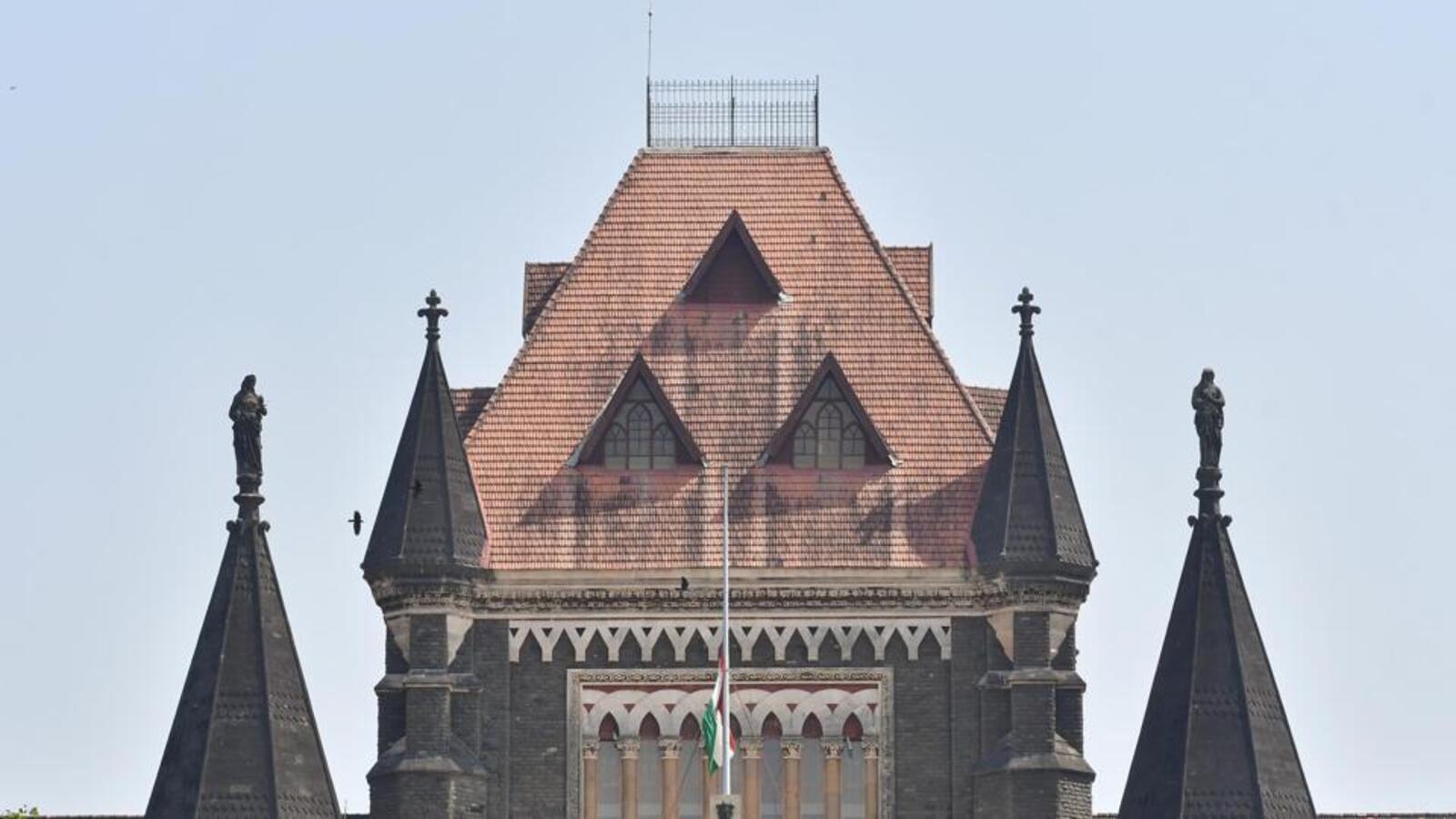
In a significant ruling, the Bombay High Court has affirmed that an adult woman possesses complete autonomy to choose her life partner regardless of their faith, religion, or caste. The decision comes following a petition filed by a 21-year-old Hindu woman who married a 21-year-old Muslim man in October. A vacation bench of justices Advait M Sethna and Ranjitsinha Raja Bhonsale made this assertion on November 9, stating that the right to marry one's preferred partner is an integral part of Article 21 of the Indian Constitution, which guarantees the right to life and personal liberty.
The couple, who had been in a relationship for several years with parental knowledge from both sides, approached the Dharavi police station post-marriage seeking protection due to fears that the woman's parents might launch an attack against her. However, the Dharavi police reportedly declined to intervene, and the woman's parents allegedly took her to Uttar Pradesh by force. The woman subsequently returned to Mumbai and petitioned the court for protection to reside in her matrimonial home.
Recognizing the woman as an adult competent of making informed decisions, the court held that she is entitled to exercise her choice and right to select her life partner without any coercion or undue influence. The court's ruling aligns with Supreme Court orders that establish the right to marry a preferred partner as an integral part of Article 21 of the Indian Constitution, granting individuals complete freedom to choose a life partner of any faith, belief, religion, or caste.
However, the court did not comment on the conduct of the police authorities due to concerns about making observations at this stage. The court emphasized that the police must adhere strictly to the law in their actions. The petitioner had also expressed apprehensions regarding the conduct of the police authorities, but these concerns were not addressed in the court's ruling.