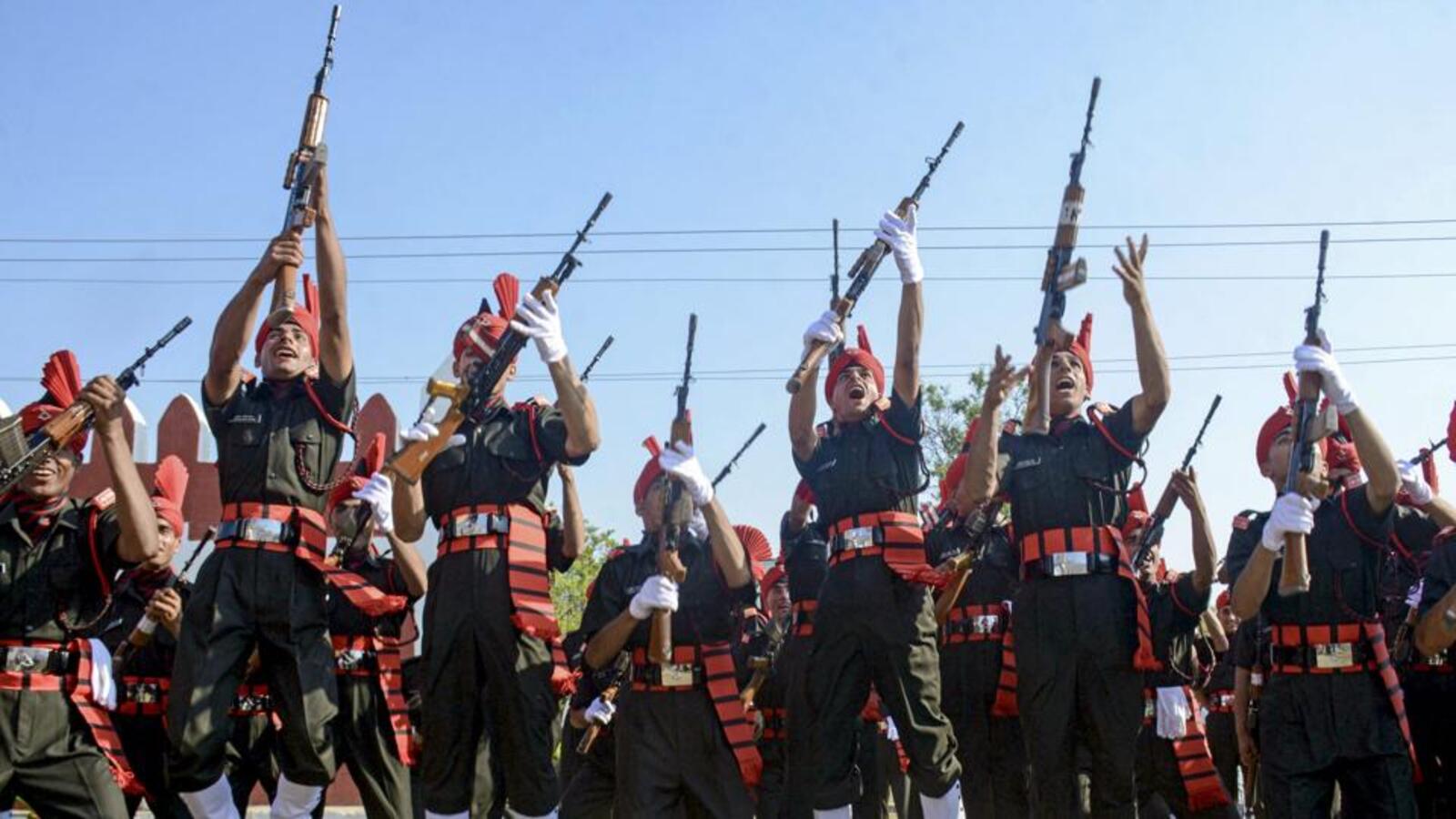
The Indian armed forces are expected to permit Agniveers, the newly inducted recruits, to marry following the completion of their four-year tenure. This relaxation will extend to those Agniveers who have been selected on merit for permanent service and those offered a two-year extension and an opportunity to enlist as regular soldiers under the revised Agnipath scheme. The marriage restriction will only apply during the initial four-year service period, according to officials familiar with the matter.
Eligible candidates for recruitment under the Agnipath scheme are young men and women between 17.5 and 21 years of age. As part of a tri-service outreach program, the armed forces aim to brief the first batch of Agniveers on their options after completing their four-year tenure, including marriage cases during the two-year extension and verifying the marital status of those opting for the extension.
The outreach is intended to help Agniveers make informed decisions, particularly in the absence of job quotas in civilian employment. Previously announced job quotas for Central Armed Police Forces, state governments, defense public sector undertakings, and other organizations for Agniveers have been scrapped because they can now opt for full-term military service.
The Army is reviewing the feasibility of posting Agniveers who have completed their four-year tenure to Rashtriya Rifles (RR) units specializing in counter-terrorism operations in Jammu and Kashmir. This move could potentially include 25% of Agniveers selected on merit for permanent service, as well as those offered a two-year extension and another opportunity to join as regular soldiers under the revised Agnipath scheme.
The revamped Agnipath scheme was cleared by the Cabinet and unveiled by Chief of Defence Staff General NS Raja Subramani on November 4. It applies exclusively to the 300,000 Agniveers currently in service and is expected to undergo further changes for recruits inducted after December 31. All existing Agniveers will become permanent after completing a two-year extended service, subject to meeting specific eligibility criteria and individual consent.
Subramani announced the Agnipath reboot weeks before the three services were set to release 75% of Agniveers from their first batch after four years of service, retaining only the 25% selected on merit for another 15 years under the scheme’s earlier provisions. Approximately 18,300 Agniveers are expected to be discharged between mid-November and December 31, representing three-fourths of the 24,400 recruits inducted into the Army, Air Force, and Navy in the first round of recruitment.